How to Build a Simple Haircare Routine
A practical guide to healthy hair care
Building a haircare routine doesn't have to be complicated. Learn the essential steps for healthy, manageable hair.

A good haircare routine doesn't require dozens of products. The basics—cleansing, conditioning, and protection—form the foundation of healthy hair. This guide covers the essentials.
Understanding Your Hair
Before building a routine, understand your hair type:
- Hair type: Straight, wavy, curly, or coily
- Hair texture: Fine, medium, or coarse
- Porosity: How well your hair absorbs moisture
- Scalp type: Oily, dry, normal, or combination
Your hair type determines which products and techniques work best for you.
The Basic Haircare Routine
1. Cleansing (Shampoo)
Shampoo removes dirt, oil, and product buildup from your hair and scalp. How often you shampoo depends on your hair type:
- Oily hair: Every day or every other day
- Normal hair: 2-3 times per week
- Dry hair: 1-2 times per week
- Curly/coily hair: Once a week or less
How to Shampoo
- Wet hair thoroughly with warm water
- Apply a quarter-sized amount of shampoo to your scalp
- Massage gently with fingertips (not nails)
- Rinse thoroughly
- Repeat if needed (double cleansing)
2. Conditioning
Conditioner replenishes moisture, detangles, and smooths the hair cuticle. Most people should condition every time they shampoo.
How to Condition
- After rinsing shampoo, squeeze excess water from hair
- Apply conditioner mainly to mid-lengths and ends
- Leave on for 1-3 minutes
- Rinse thoroughly with cool water
Avoid applying conditioner to your scalp if you have fine or oily hair, as it can weigh hair down.
3. Drying
How you dry your hair matters:
- Gently squeeze out excess water with a microfiber towel or cotton t-shirt
- Avoid rubbing vigorously, which can cause friction and breakage
- Let hair air dry when possible
- If using a blow dryer, use a heat protectant and medium heat
Additional Steps (Optional)
Deep Conditioning
Use a deep conditioner or hair mask once a week or every other week for extra hydration and repair.
Leave-In Conditioner
Applied after washing, leave-in conditioners provide ongoing hydration and detangling benefits throughout the day.
Heat Protectant
If you use hot tools (blow dryer, straightener, curling iron), always apply a heat protectant first.
Hair Oil or Serum
Applied to damp or dry hair, oils and serums add shine, reduce frizz, and seal in moisture. Use sparingly to avoid greasiness.
Scalp Care
A healthy scalp is essential for healthy hair. Consider:
- Gentle scalp massage when shampooing
- Scalp scrubs or treatments if needed
- Avoiding product buildup
- Addressing dandruff or irritation promptly
Protecting Your Hair
Heat Protection
Limit heat styling when possible. When using hot tools:
- Use heat protectant products
- Keep tools on medium heat settings
- Don't use on wet hair
- Limit frequency
Sun Protection
UV rays can damage hair. Wear hats or use products with UV protection when spending extended time in the sun.
Chlorine and Salt Water
Before swimming, wet hair and apply conditioner to create a barrier. After swimming, rinse immediately and shampoo if needed.
Gentle Styling
- Avoid tight hairstyles that pull on hair
- Use soft hair ties (no metal parts)
- Be gentle when detangling
- Use wide-tooth combs on wet hair
Trimming
Regular trims (every 6-8 weeks) prevent split ends from traveling up the hair shaft. While trimming doesn't make hair grow faster, it keeps hair looking healthier and prevents breakage.
Product Selection
Shampoo
Choose based on your hair type and concerns:
- Oily hair: Clarifying or balancing formulas
- Dry hair: Moisturizing or hydrating formulas
- Fine hair: Volumizing formulas
- Color-treated: Color-safe, sulfate-free formulas
Conditioner
Match to your shampoo and hair needs. Those with fine hair may prefer lightweight conditioners, while those with thick or curly hair may need richer formulas.
Common Mistakes
- Over-washing (strips natural oils)
- Using too much product
- Not rinsing thoroughly
- Using hot water (can be drying)
- Skipping heat protectant
- Brushing wet hair roughly
- Using the same products year-round (seasons affect hair)
Seasonal Adjustments
Your hair's needs change with seasons:
- Summer: More frequent washing, UV protection, clarifying treatments
- Winter: More hydration, less frequent washing, protection from dry indoor heat
When to Seek Professional Help
Consult a stylist or dermatologist if you experience:
- Excessive hair loss
- Scalp irritation or pain
- Sudden texture changes
- Persistent dandruff or flaking
A simple, consistent haircare routine focused on cleansing, conditioning, and protection is the foundation of healthy hair. Customize based on your hair type and needs, and be patient—healthy hair takes time.
Research Before You Buy
Explore Haircare Products
Compare cleansing, conditioning, treatment, and styling formats according to hair type, scalp needs, and routine preferences.
Affiliate disclosure: If a recommendation includes an affiliate link and you purchase through it, we may earn a commission at no additional cost to you. Affiliate availability does not determine our editorial conclusions. See our Affiliate Disclosure.
Continue Reading
You May Also Like
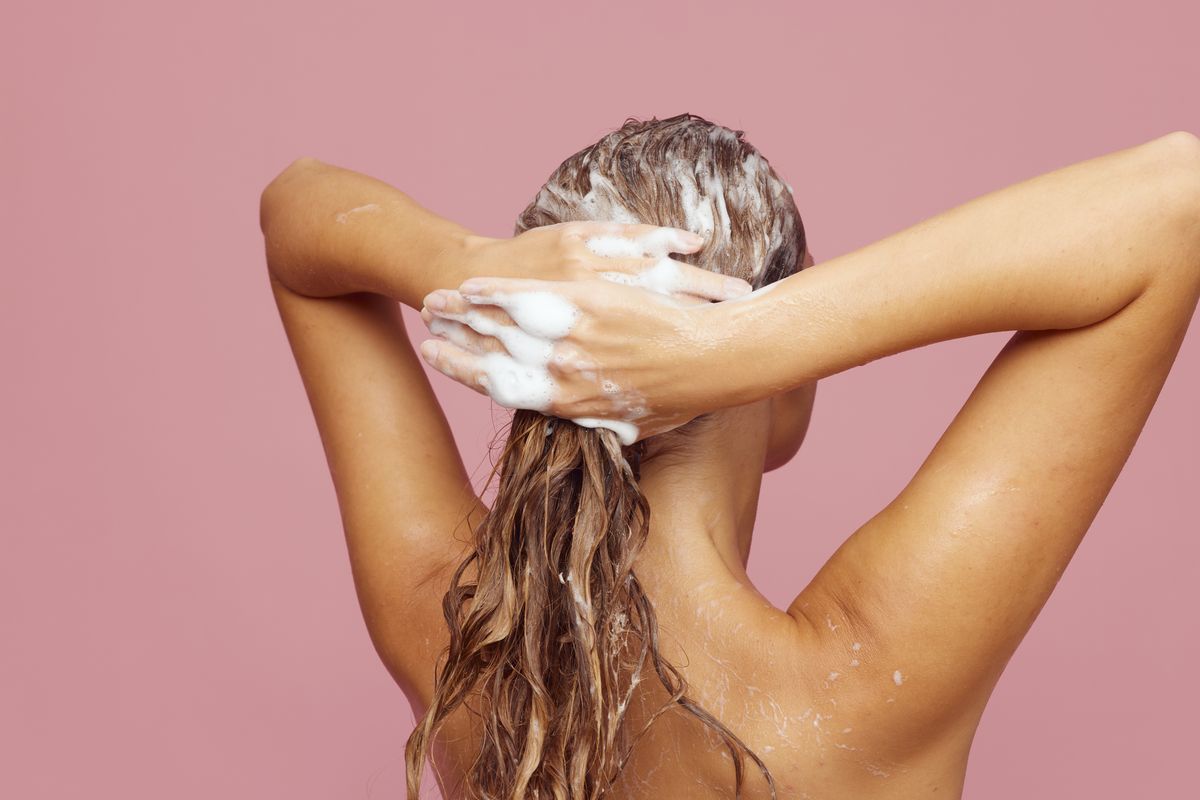
How Often Should You Wash Your Hair?
The right washing frequency depends on your hair type, lifestyle, and preferences. Learn how to find your ideal schedule.
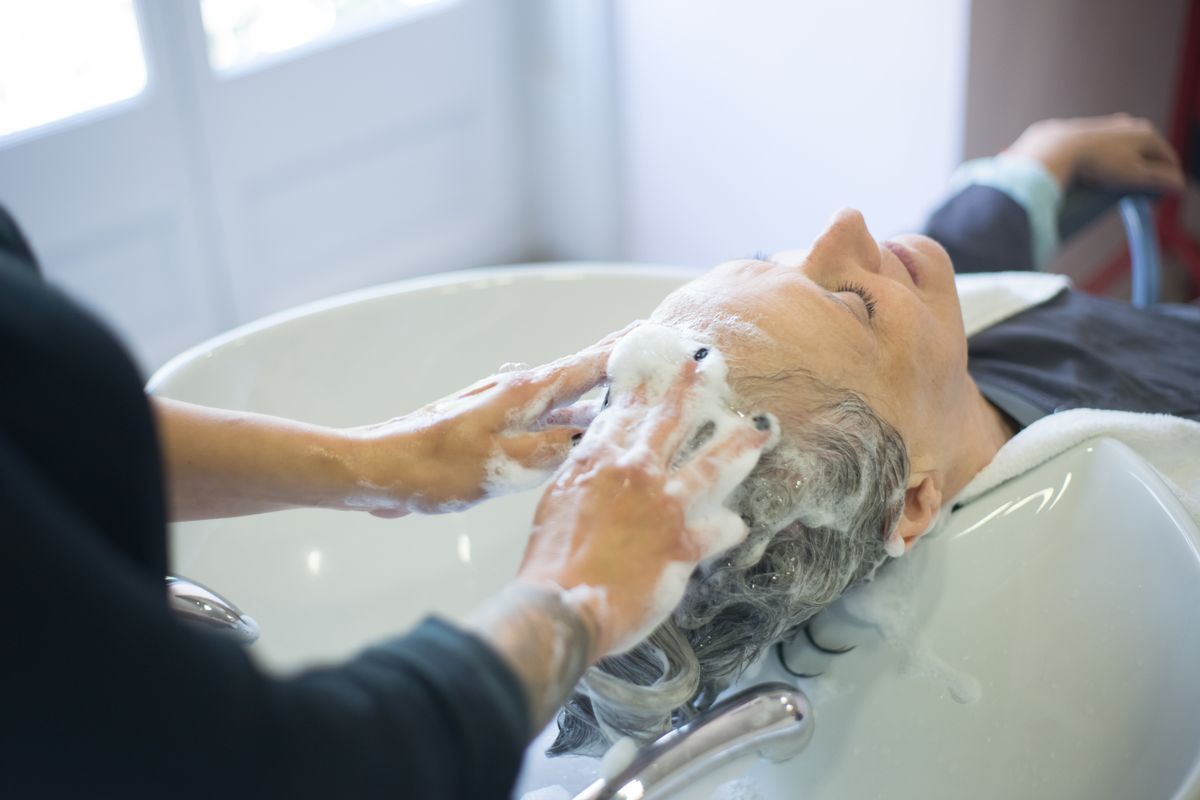
How to Detangle Hair with Less Breakage
Use slip, sections, and the right starting point to make detangling more manageable.
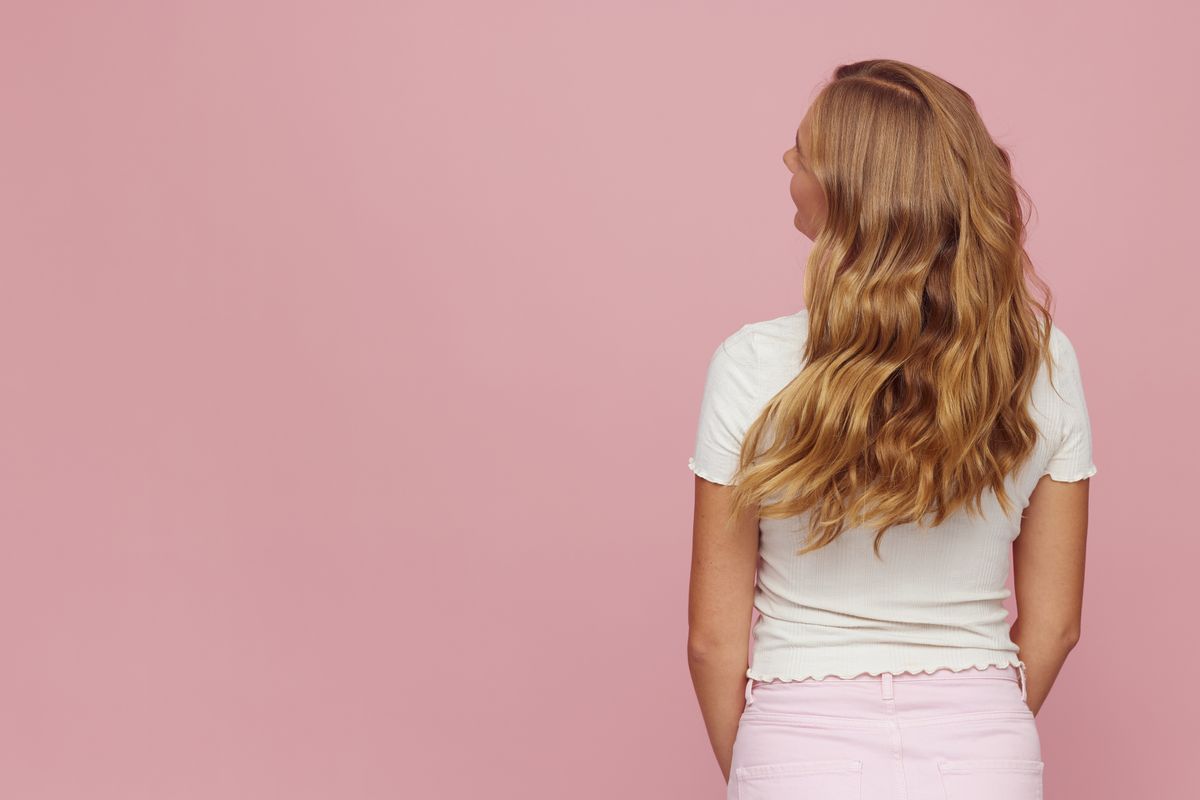
How to Protect Your Hair While Sleeping
Try loose protective styles, smooth fabrics, and dry hair before bed to support easier mornings.

Common Haircare Mistakes to Avoid
Simple haircare mistakes can undermine your efforts. Learn the most common errors and how to fix them for healthier hair.