How to Choose the Right Shampoo
Finding the best shampoo for your hair type
Choosing the right shampoo is essential for healthy hair. Learn about different types and how to select the best one for your needs.
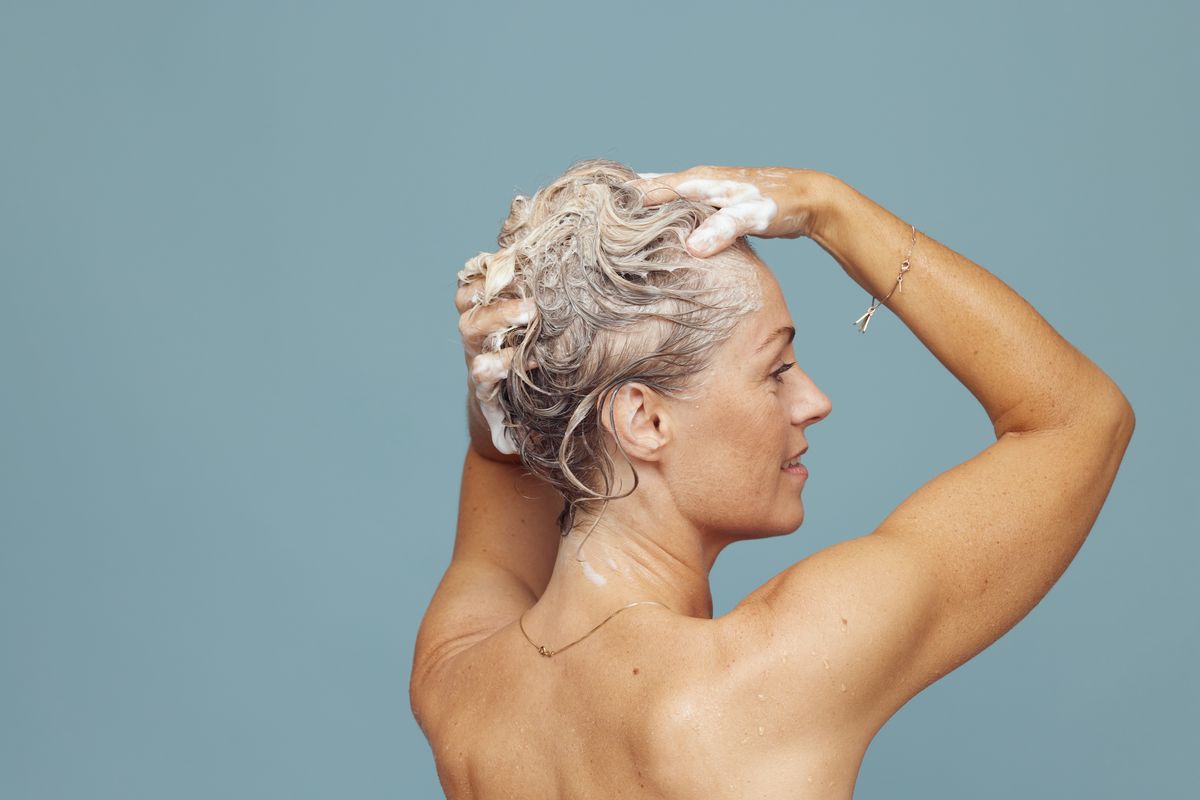
Shampoo is the foundation of haircare, but choosing the right one can be confusing with so many options available. Understanding your hair type and what different shampoos offer will help you make an informed choice.
Understanding Shampoo Types
Clarifying Shampoo
Deep-cleansing formula that removes buildup from products, minerals, and environmental pollutants. Use once a week or every other week, not daily, as it can be drying.
Moisturizing Shampoo
Contains hydrating ingredients for dry or damaged hair. Often sulfate-free and gentler than clarifying formulas. Good for regular use on dry hair types.
Volumizing Shampoo
Lightweight formula that doesn't weigh hair down. Often contains proteins or thickening ingredients. Best for fine or limp hair.
Color-Safe Shampoo
Gentle, sulfate-free formula designed to preserve hair color. Often contains UV filters and color-protecting ingredients.
Balancing Shampoo
Formulated for normal hair or combination hair (oily scalp, dry ends). Cleanses without over-drying or over-moisturizing.
Dandruff Shampoo
Contains active ingredients like zinc pyrithione, selenium sulfide, or ketoconazole to address flaking and itching.
Sulfate-Free Shampoo
Uses gentler cleansing agents instead of harsh sulfates. Less foaming but gentler on hair and scalp. Good for color-treated, dry, or sensitive hair.
Choosing by Hair Type
Fine Hair
- Volumizing or lightweight formulas
- Avoid heavy moisturizing shampoos
- Clarifying shampoo weekly to prevent buildup
Thick or Coarse Hair
- Moisturizing formulas
- Hydrating ingredients
- Can handle richer formulas
Oily Hair
- Clarifying or balancing formulas
- Can shampoo more frequently
- Avoid heavy, creamy formulas
Dry Hair
- Moisturizing, hydrating formulas
- Sulfate-free options
- Shampoo less frequently
Curly or Coily Hair
- Moisturizing, sulfate-free formulas
- Creamy textures
- Shampoo less frequently (once a week or less)
- Consider co-washing (conditioner-only washing)
Color-Treated Hair
- Color-safe, sulfate-free formulas
- UV protection
- Gentle cleansing
Damaged Hair
- Repairing or reconstructing formulas
- Proteins and amino acids
- Gentle, moisturizing formulas
Understanding Ingredients
Surfactants (Cleansing Agents)
Sulfates (Harsh):
- Sodium lauryl sulfate (SLS)
- Sodium laureth sulfate (SLES)
- Ammonium lauryl sulfate
These create rich lather but can be drying and strip color.
Gentle Surfactants:
- Cocamidopropyl betaine
- Sodium cocoyl isethionate
- Decyl glucoside
- Disodium laureth sulfosuccinate
These cleanse effectively without being as harsh.
Conditioning Agents
- Panthenol (pro-vitamin B5)
- Glycerin
- Hydrolyzed proteins
- Natural oils (argan, coconut, jojoba)
Special Ingredients
- Keratin: Strengthens and repairs
- Biotin: May support hair strength
- Tea tree oil: Antimicrobial, good for scalp
- Salicylic acid: Exfoliates scalp, good for dandruff
How Often to Shampoo
Frequency depends on your hair type and lifestyle:
- Oily hair: Daily or every other day
- Normal hair: 2-3 times per week
- Dry hair: 1-2 times per week
- Curly/coily hair: Once a week or less
Over-washing can strip natural oils, while under-washing can lead to buildup. Find the balance that works for your hair.
How to Shampoo Properly
- Wet hair thoroughly with warm (not hot) water
- Apply a quarter-sized amount to your palm
- Focus on the scalp, not the lengths
- Massage gently with fingertips for 1-2 minutes
- Rinse thoroughly
- Repeat if needed (especially if using clarifying shampoo)
Common Mistakes
- Using too much product
- Applying shampoo to the entire length (focus on scalp)
- Not rinsing thoroughly
- Using water that's too hot
- Using the wrong shampoo for your hair type
- Shampooing too frequently or not frequently enough
When to Switch Shampoos
Consider switching if:
- Your hair feels dry or straw-like
- Your scalp feels itchy or irritated
- You notice increased buildup
- Your hair looks dull or limp
- Your hair's needs have changed (season, color treatment, etc.)
Co-Washing
Co-washing (conditioner-only washing) is popular for curly and dry hair types. It cleanses gently while maintaining moisture. Use a cleansing conditioner specifically formulated for co-washing.
Double Cleansing
Similar to skincare, double cleansing hair involves:
- First wash: Break down oils and buildup
- Second wash: Actually cleanse the scalp and hair
This is helpful if you use a lot of styling products or have very oily hair.
Choosing the right shampoo is personal and may require some experimentation. Pay attention to how your hair responds and adjust accordingly. The right shampoo should leave your hair clean, manageable, and healthy-looking.
Research Before You Buy
Explore Haircare Products
Compare cleansing, conditioning, treatment, and styling formats according to hair type, scalp needs, and routine preferences.
Affiliate disclosure: If a recommendation includes an affiliate link and you purchase through it, we may earn a commission at no additional cost to you. Affiliate availability does not determine our editorial conclusions. See our Affiliate Disclosure.
Continue Reading
You May Also Like

How to Choose a Conditioner
Conditioner is essential for healthy hair. Learn about different types and how to choose the best one for your hair needs.
How to Clarify Hair Without Overdoing It
Recognize product buildup, choose an appropriate clarifying frequency, and follow with moisture.
Understanding Haircare Ingredients
Learn about common haircare ingredients, what they do, and how to choose products based on ingredient lists.

Simple Scalp-Care Routine
A healthy scalp is the foundation of healthy hair. Learn simple steps to maintain scalp health and address common concerns.