Beginner's Guide to Everyday Makeup
A simple approach to natural everyday makeup
Starting with makeup can feel overwhelming. Learn the basics of everyday makeup with this simple, beginner-friendly guide.
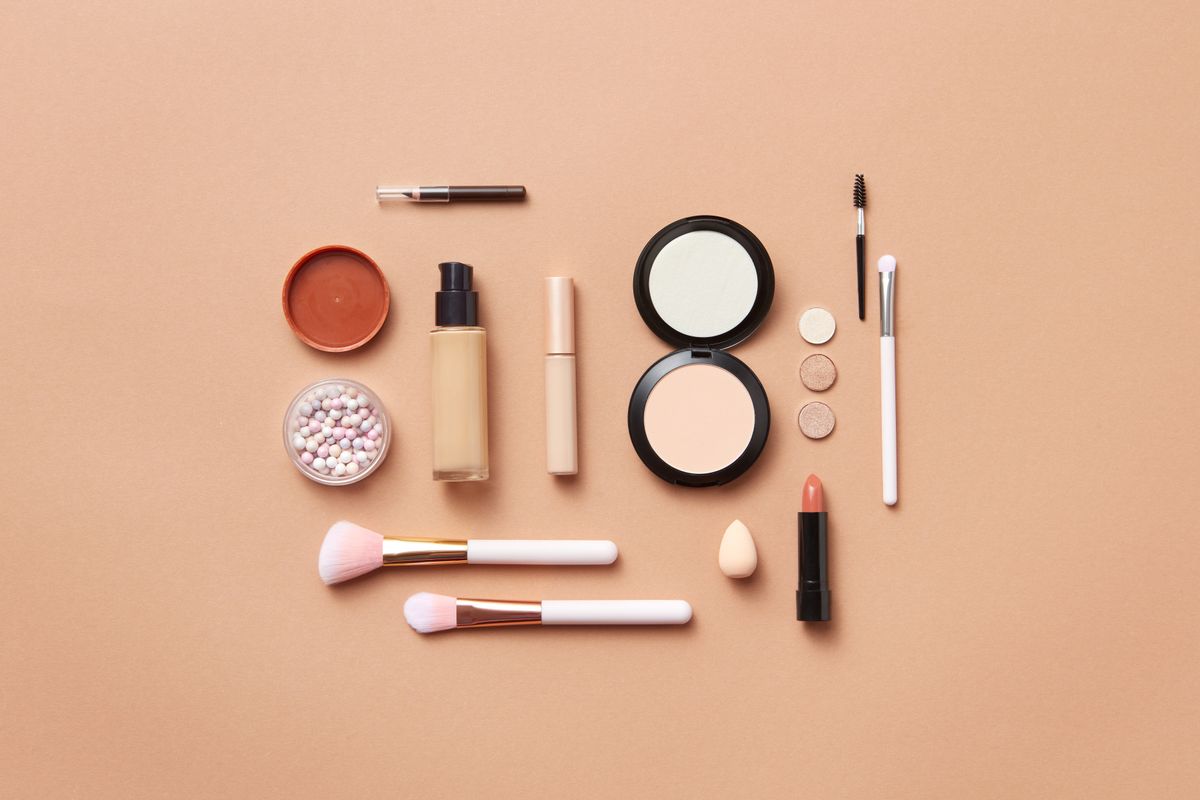
Makeup should enhance your natural features and make you feel confident. If you're new to makeup, starting with a simple everyday routine is the best approach. This guide covers the essentials without overwhelming you with products or techniques.
Start Simple
You don't need a full face of makeup every day. An everyday makeup routine typically focuses on:
- Evening out skin tone
- Defining features
- Adding a touch of color
- Looking polished and put-together
Essential Products for Beginners
1. Primer (Optional)
Primer creates a smooth base for makeup and helps it last longer. It's optional for beginners but can be helpful if you have specific concerns like large pores or oily skin.
2. Foundation or Tinted Moisturizer
For beginners, a tinted moisturizer or BB cream is often easier to apply than full-coverage foundation. They provide light coverage and a natural finish.
Application tip: Apply with fingers, a damp sponge, or a foundation brush. Start with a small amount and build coverage where needed.
3. Concealer
Concealer covers imperfections, dark circles, and redness. Choose a shade that matches your skin or is slightly lighter for under eyes.
Application tip: Dab small amounts where needed and blend gently with your finger or a small brush.
4. Powder (Optional)
Translucent powder sets makeup and reduces shine. It's especially helpful for oily skin types or in warm weather.
Application tip: Use a fluffy brush and apply lightly to oily areas (T-zone). Avoid over-powdering, which can look cakey.
5. Blush
Blush adds a healthy, natural flush to your cheeks. Cream blushes are often easier for beginners to blend than powders.
Application tip: Smile and apply to the apples of your cheeks, blending upward toward your temples.
6. Mascara
Mascara opens up your eyes and completes your look. It's one of the most impactful products for beginners.
Application tip: Start at the base of lashes and wiggle the wand upward. Apply 1-2 coats.
7. Lip Product
Choose a lip product you love—tinted balm, lipstick, or gloss. Neutral shades are versatile for everyday wear.
A Simple Everyday Routine
Here's a basic 5-minute routine:
- Apply tinted moisturizer or light foundation
- Conceal under eyes and any imperfections
- Add blush to cheeks
- Apply mascara
- Apply lip product
That's it! This simple routine gives you a polished, natural look.
Finding Your Shades
Foundation/Tinted Moisturizer
Match to your jawline in natural lighting. Test a few shades and see which disappears into your skin. Consider your undertone (warm, cool, or neutral).
Concealer
For under eyes, go one shade lighter than your foundation. For blemishes, match exactly to your foundation.
Blush
Choose shades that complement your skin tone. Generally:
- Fair skin: soft pink, peach
- Medium skin: rose, mauve, coral
- Deep skin: berry, brick, warm brown
Application Tips for Beginners
Less Is More
Start with less product and build up. It's easier to add than to remove.
Blend Well
Harsh lines are the most obvious sign of makeup. Blend edges thoroughly, especially foundation and concealer.
Use the Right Tools
You don't need expensive brushes, but having a few basic tools helps:
- Foundation sponge or brush
- Blush brush
- Concealer brush (or use your finger)
Work in Good Lighting
Natural light is best. If using artificial light, use bright, daylight-balanced bulbs.
Be Patient
Makeup application is a skill that improves with practice. Don't get discouraged if it doesn't look perfect at first.
Common Beginner Mistakes
- Wrong foundation shade: Test in natural light
- Too much product: Start light and build
- Poor blending: Take time to blend edges
- Skipping skincare: Makeup looks best on well-prepped skin
- Using expired products: Check expiration dates
Adding More Products
Once you're comfortable with the basics, you can explore:
- Bronzer or contour
- Highlighter
- Eyeshadow
- Eyeliner
- Brow products
Add one product at a time and practice until you're comfortable before adding another.
Makeup Removal
Always remove makeup before bed. Use a gentle makeup remover, cleansing oil, or micellar water, followed by your regular cleanser.
Building Confidence
Remember that makeup is meant to be fun and make you feel good. There are no strict rules—wear what makes you happy. Start with what feels comfortable and gradually experiment as you gain confidence.
The goal of everyday makeup is to enhance your natural beauty, not hide it. With practice, you'll develop a routine that works for you and makes getting ready enjoyable.
Research Before You Buy
Explore Makeup Products
Use our research-based guides to compare formats, finishes, shade considerations, and practical product features before purchasing.
Affiliate disclosure: If a recommendation includes an affiliate link and you purchase through it, we may earn a commission at no additional cost to you. Affiliate availability does not determine our editorial conclusions. See our Affiliate Disclosure.
Continue Reading
You May Also Like
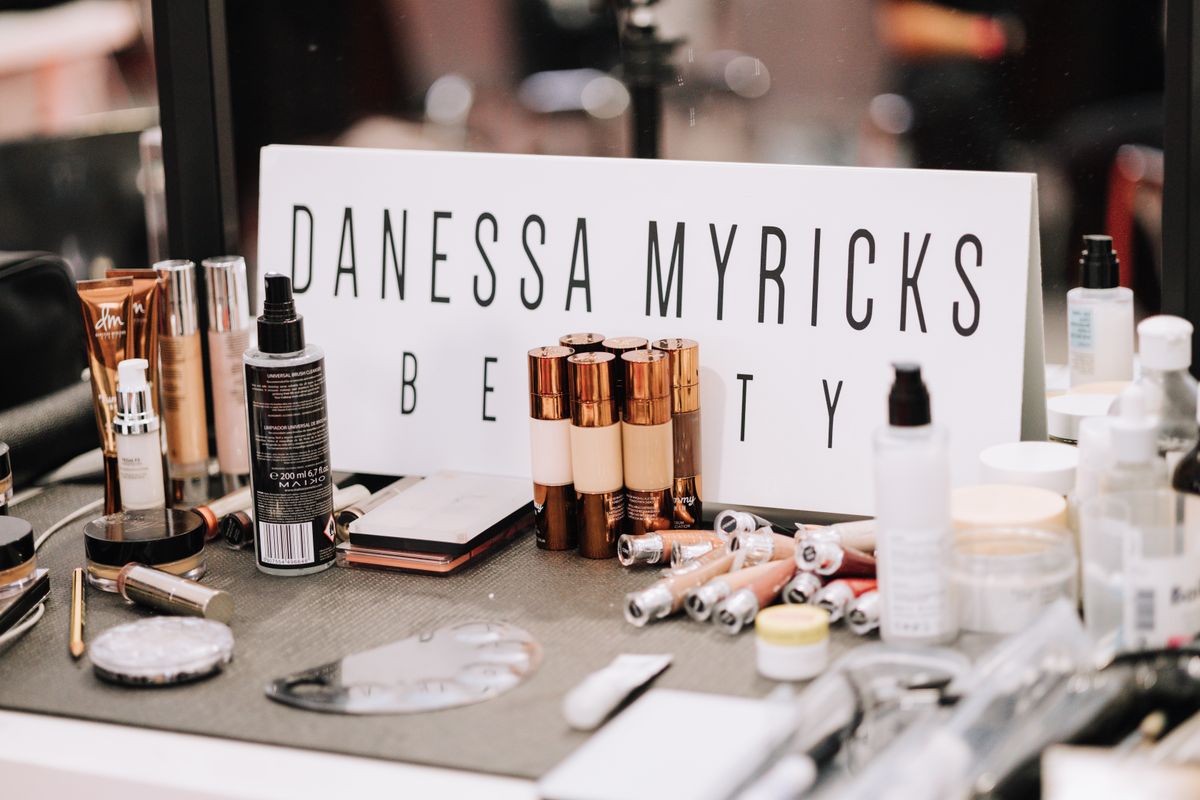
Essential Makeup Products for Beginners
Starting with makeup? Here are the essential products every beginner needs to create simple, polished looks.
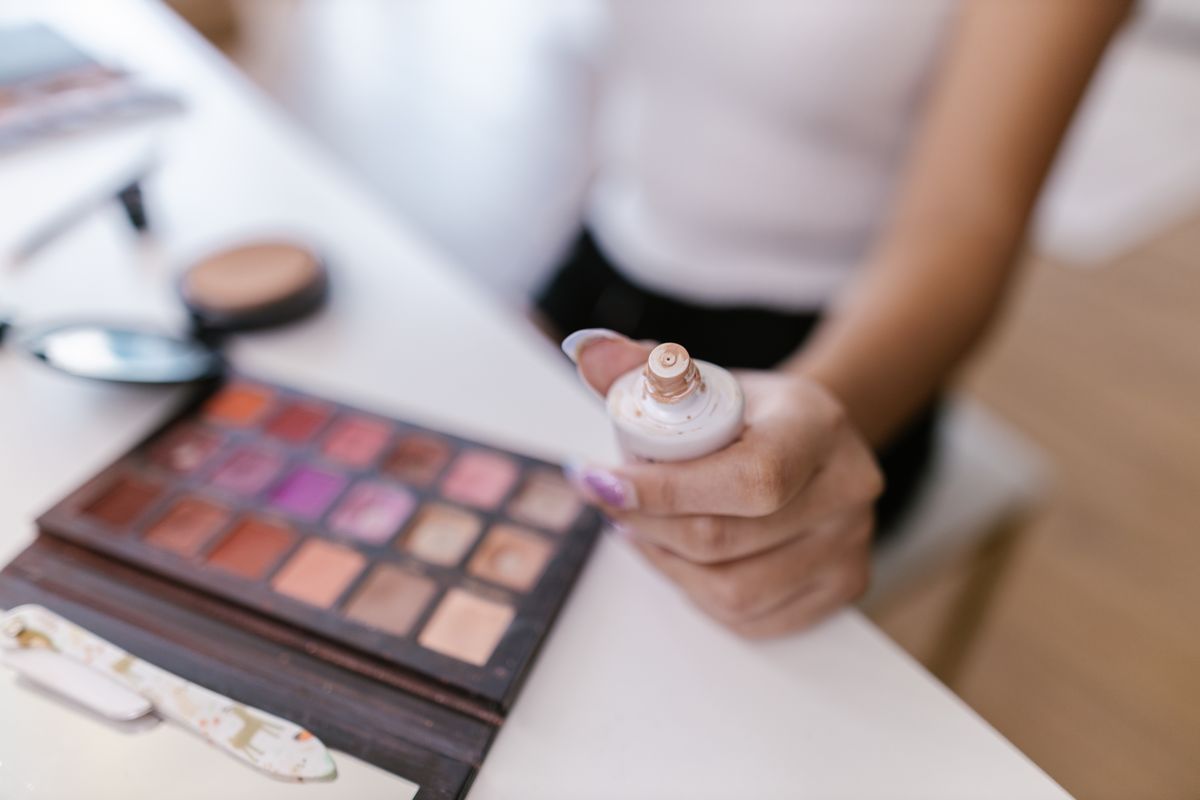
Simple Everyday Makeup Routine (5 Minutes)
Get ready in 5 minutes with this simple, everyday makeup routine that looks polished without being heavy.

How to Apply Concealer
Concealer is a makeup essential for covering imperfections. Learn how to choose and apply concealer for a natural, seamless finish.
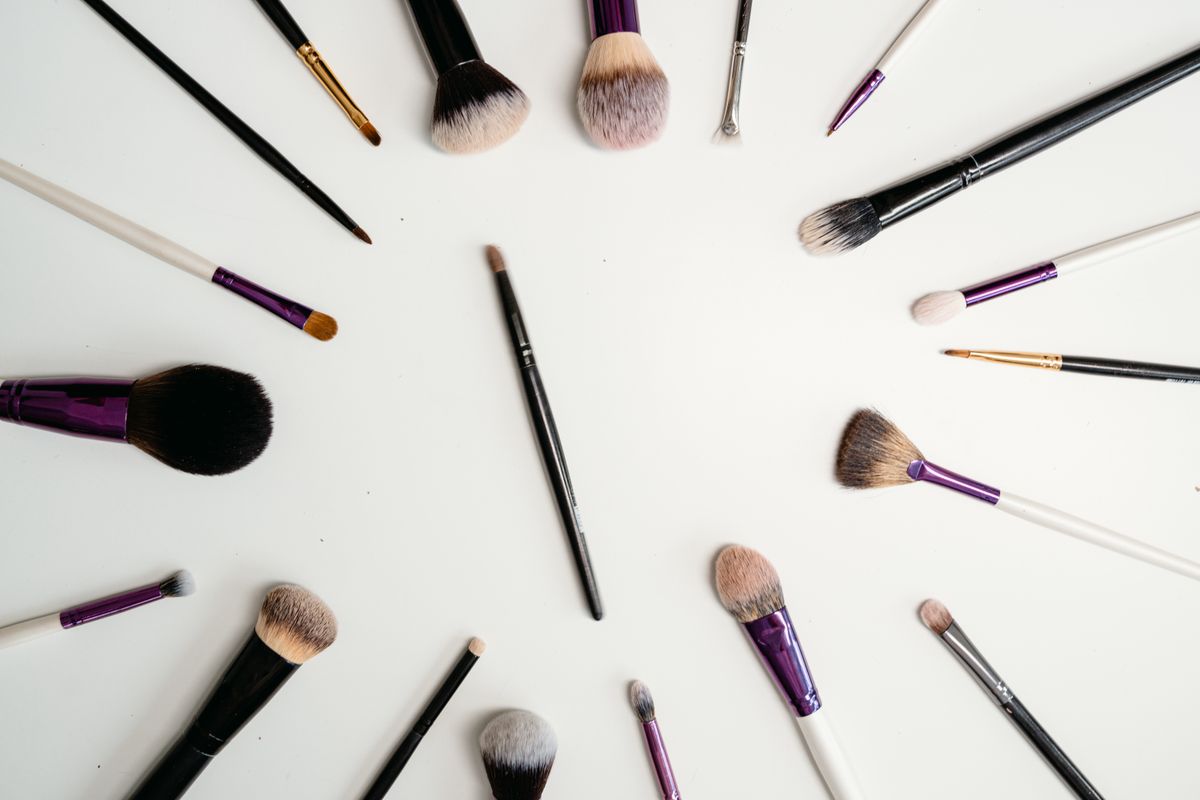
Eyeshadow Blending for Beginners
Learn a repeatable three-shade method for soft edges and balanced eye makeup.