How to Patch Test a New Skincare Product
A simple precaution before adding a product to your full routine
Learn where to patch test, how long to observe your skin, and what signs suggest a product may not suit you.

A patch test cannot predict every reaction, but it is a practical way to introduce unfamiliar formulas more carefully.
Choose a Small Area
Apply a small amount behind the ear, along the jaw, or on the inner arm. Use the amount and frequency suggested by the manufacturer.
Observe Before Expanding
Watch the area for redness, itching, swelling, or persistent discomfort. Delayed reactions are possible, so avoid testing several new products at once.
Introduce It Gradually
If the patch remains comfortable, begin using the product on a limited area or at a lower frequency before applying it across the face.
When to Stop
Rinse the product away and discontinue use if you notice significant burning, swelling, or worsening irritation. Seek professional care for severe reactions.
A Practical Way to Use This Information
Use how to patch test a new skincare product as a framework, not as a reason to replace an entire routine at once. Keep a stable base of gentle cleansing, moisturizer, and daytime sun protection, then change one step at a time. Check the current product label for directions, warnings, and frequency because formulas and concentrations vary.
Before You Add or Change a Product
- Identify the specific job the product needs to do in your routine.
- Compare the complete ingredient list rather than one highlighted ingredient.
- Patch test unfamiliar formulas and introduce them gradually.
- Avoid stacking several strong exfoliating or retinoid products on the same day.
- Stop if you develop persistent burning, swelling, or worsening irritation.
How to Judge Whether the Routine Is Working
Pay attention to comfort, dryness, oiliness, visible irritation, and how consistently you can follow the routine. Take notes rather than changing products every few days. Cosmetic skincare can support appearance and comfort, but it is not a substitute for medical care. A dermatologist or other qualified clinician can help with persistent rashes, painful breakouts, or suspected skin conditions.
Research Before You Buy
Explore Skincare Products
Compare product purpose, verified ingredient information, format, and suitability for different skin needs in our research-based reviews and guides.
Affiliate disclosure: If a recommendation includes an affiliate link and you purchase through it, we may earn a commission at no additional cost to you. Affiliate availability does not determine our editorial conclusions. See our Affiliate Disclosure.
Continue Reading
You May Also Like

How to Build a Simple Skincare Routine
Building a simple skincare routine doesn't have to be complicated. Learn the essential steps and how to choose products that work for your skin.
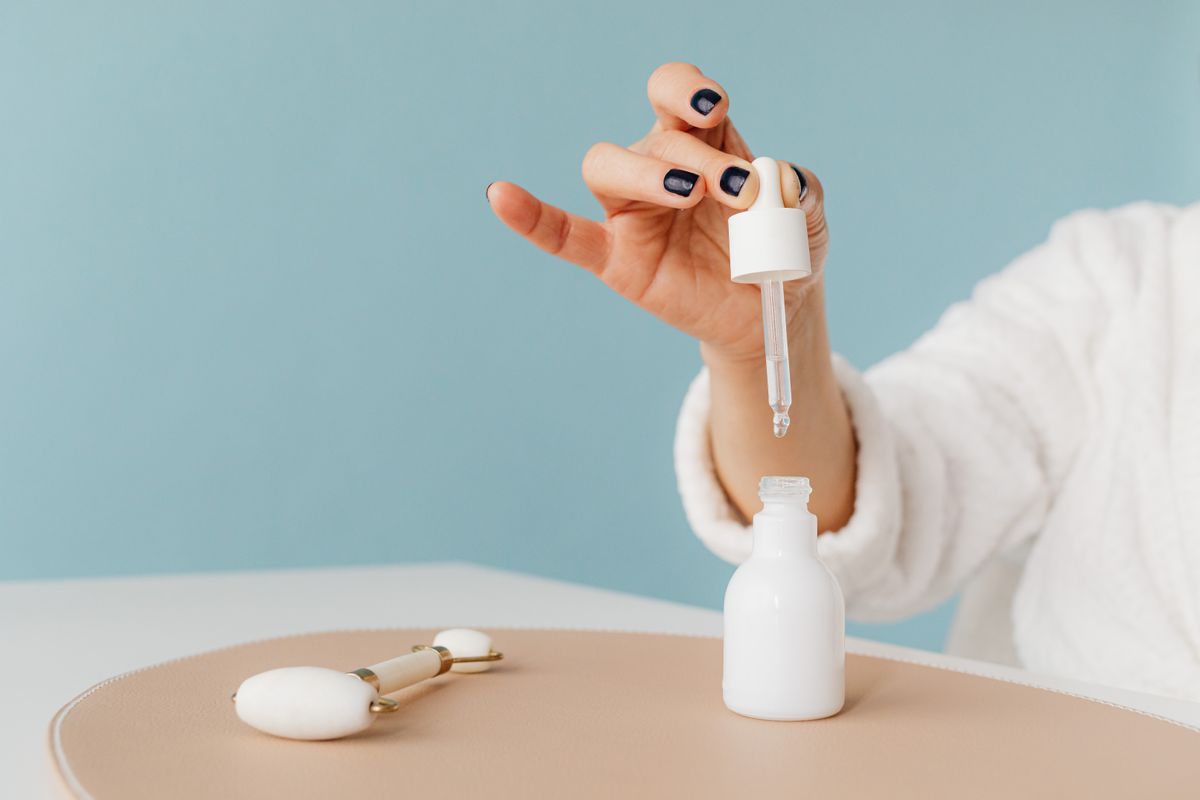
How to Layer Skincare Products
Understanding the correct order to apply skincare products maximizes their effectiveness. Learn the proper layering sequence.

Morning vs. Night Skincare Routine
Your skin has different needs during the day versus at night. Learn how to build effective morning and evening routines.
How to Simplify an Overcomplicated Skincare Routine
A practical framework for reducing product overload while keeping cleansing, hydration, and protection in place.