How to Choose the Right Foundation
A guide to finding your perfect foundation match
Finding the right foundation can be challenging. Learn about different types, coverage levels, and how to find your perfect shade match.
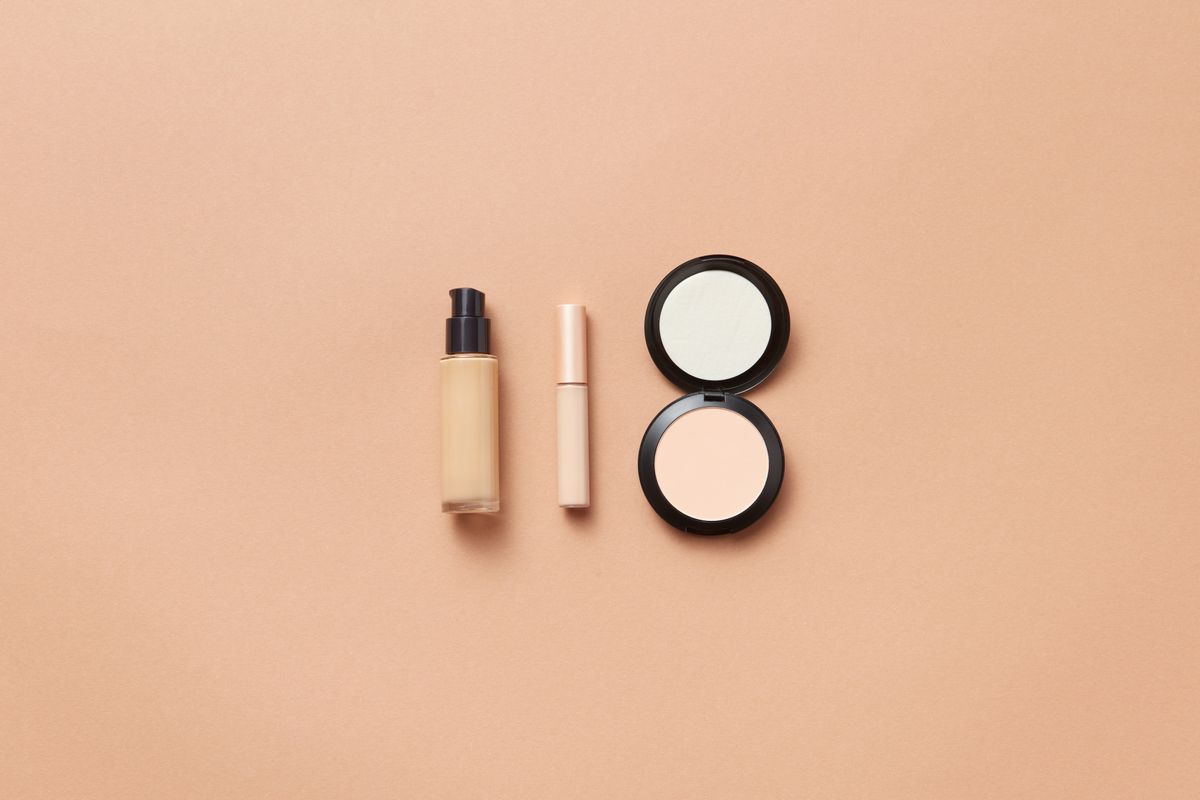
Foundation is the base of any makeup look, but choosing the right one involves more than just picking a shade. Understanding different formulas, coverage levels, and how to find your match will help you make a confident choice.
Types of Foundation
Liquid Foundation
The most popular and versatile type. Comes in various finishes (matte, dewy, natural) and coverage levels. Suitable for most skin types.
Stick Foundation
Solid formula in a stick form. Provides medium to full coverage. Convenient for travel and touch-ups. Works well for normal to oily skin.
Cream Foundation
Rich, emollient formula. Provides medium to full coverage. Best for dry or mature skin. Can be applied with a sponge or brush.
Powder Foundation
Loose or pressed powder formula. Provides light to medium coverage. Excellent for oily skin. Easy to apply and reapply throughout the day.
Tinted Moisturizer/BB Cream
Lightweight formulas with light coverage and skincare benefits. Natural, dewy finish. Best for normal to dry skin or minimal makeup looks.
Cushion Foundation
Liquid foundation soaked into a sponge, applied with a puff. Light to medium coverage, dewy finish. Popular in K-beauty. Good for normal to dry skin.
Coverage Levels
Sheer/Light Coverage
Evens out skin tone slightly while letting your natural skin show through. Natural, "no-makeup" look. Good for minimal makeup days or clear skin.
Medium Coverage
Covers most imperfections while still looking natural. Versatile for everyday wear. Can be built up in areas that need more coverage.
Full Coverage
Covers most imperfections, discoloration, and blemishes. More noticeable makeup look. Good for special occasions or when you want a polished finish.
Finishes
Matte
No shine, flat finish. Long-wearing. Best for oily skin. Can emphasize dry patches.
Natural/Satin
Slight luminosity without being shiny. Most versatile finish. Works for most skin types.
Dewy/Radiant
Luminous, glowing finish. Hydrating formulas. Best for dry or normal skin. Can look greasy on oily skin.
Finding Your Shade
Understanding Undertones
Your undertone is the subtle color beneath your surface skin tone:
- Cool: Pink, red, or blue undertones. Veins appear blue/purple. Silver jewelry looks better.
- Warm: Yellow, golden, or peach undertones. Veins appear green. Gold jewelry looks better.
- Neutral: Mix of warm and cool. Veins appear blue-green. Both metals look good.
Testing Shades
Test foundation on your jawline, not your hand or wrist. The right shade should disappear into your skin. Check in natural lighting if possible.
Consider that your face and neck may be different shades. Match to your neck or chest for a seamless look, or choose a shade that bridges the two.
Seasonal Changes
Your skin tone may change with seasons. You might need a darker shade in summer and lighter in winter. Some people use two shades and mix them.
Choosing by Skin Type
Oily Skin
- Matte or natural finish
- Oil-free, non-comedogenic formulas
- Long-wearing formulas
- Powder foundations work well
- Use primer to control shine
Dry Skin
- Dewy or natural finish
- Hydrating formulas with moisturizing ingredients
- Cream or liquid foundations
- Avoid matte formulas
- Prep skin well with moisturizer
Combination Skin
- Natural or satin finish
- Balanced formulas
- Use powder on oily areas
- Consider different formulas for different areas
Sensitive Skin
- Fragrance-free formulas
- Mineral foundations (often gentler)
- Hypoallergenic labels
- Minimal ingredient lists
- Patch test before full application
Application Methods
Fingers
Quick and easy. Warmth helps blend. Can waste product. Best for light coverage formulas.
Sponge (Beauty Blender)
Use damp for natural finish. Provides medium coverage. Bouncing motion works best. Absorbs some product.
Brush
- Flat kabuki: Full coverage, stippling motion
- Buffing brush: Medium coverage, circular motion
- Flat foundation brush: Light to medium coverage, sweeping motion
Making Foundation Last
- Start with clean, moisturized skin
- Use primer appropriate for your skin type
- Apply in thin layers and build coverage
- Set with powder (especially oily areas)
- Use setting spray
- Avoid touching your face
Common Mistakes
- Wrong shade (test properly!)
- Wrong formula for your skin type
- Applying too much product
- Not blending down the neck
- Skipping primer when needed
- Not setting when needed
When to Replace Foundation
Liquid foundations typically last 12-18 months after opening. Powder foundations last longer (18-24 months). Replace if:
- Smell changes
- Texture changes
- Color changes
- Causes breakouts
Online Shopping Tips
Buying foundation online is challenging. Look for:
- Virtual try-on tools
- Shade finder quizzes
- Reviews from people with similar skin tone
- Generous return policies
- Sample sizes
Finding the right foundation takes time and experimentation. Don't be discouraged if your first choice isn't perfect. Many brands offer exchanges or returns, and beauty stores often have consultants who can help with shade matching.
Research Before You Buy
Explore Makeup Products
Use our research-based guides to compare formats, finishes, shade considerations, and practical product features before purchasing.
Affiliate disclosure: If a recommendation includes an affiliate link and you purchase through it, we may earn a commission at no additional cost to you. Affiliate availability does not determine our editorial conclusions. See our Affiliate Disclosure.
Continue Reading
You May Also Like

How to Create a Soft-Matte Makeup Base
A step-by-step base routine using thin layers, strategic powder, and skin preparation.
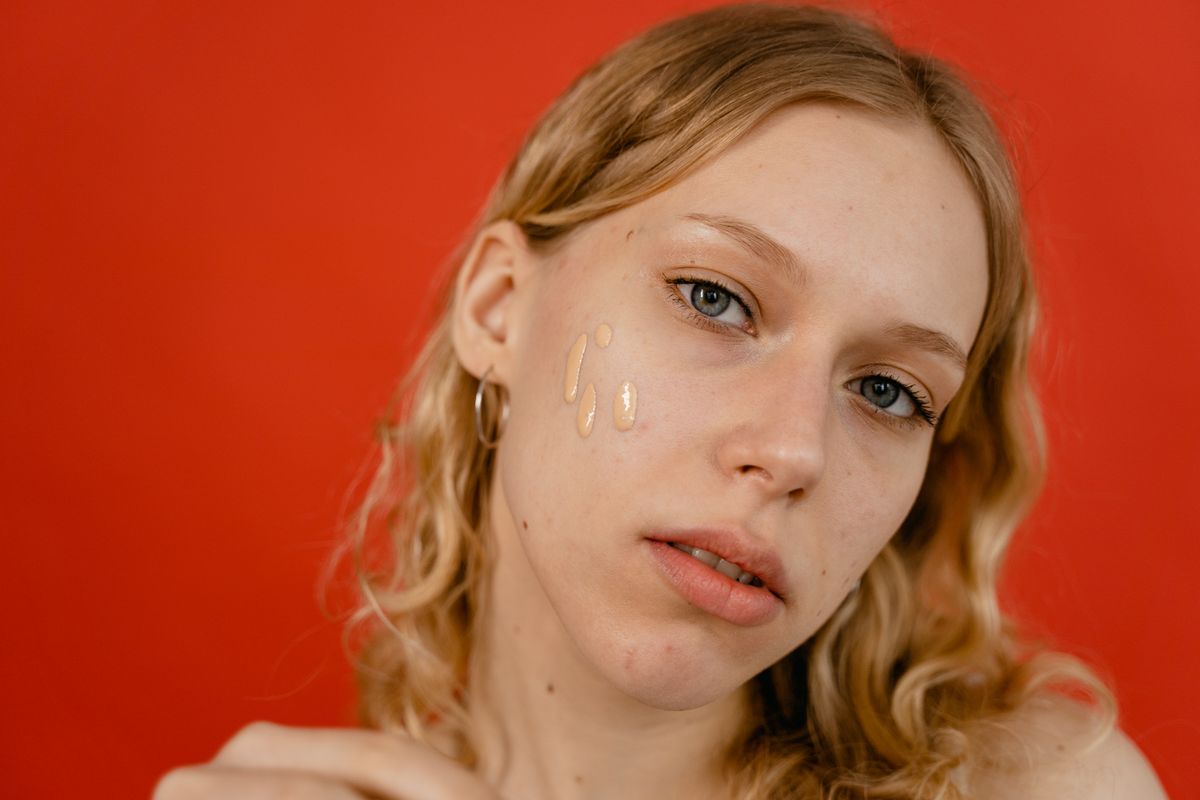
How to Find Your Foundation Shade
Finding the right foundation shade can be tricky. Learn how to identify your undertone and match foundation to your skin.
Beginner's Guide to Everyday Makeup
Starting with makeup can feel overwhelming. Learn the basics of everyday makeup with this simple, beginner-friendly guide.

How to Apply Concealer
Concealer is a makeup essential for covering imperfections. Learn how to choose and apply concealer for a natural, seamless finish.