How to Choose the Right Hair Mask
Targeted treatments for your hair concerns
Hair masks provide intensive treatment. Learn how to choose the right mask for your hair type and concerns.

Hair masks deliver concentrated ingredients for deep conditioning and repair. The right mask addresses your specific hair concerns.
Types of Hair Masks
Moisture Masks
- For dry, brittle hair
- Contain oils, butters, humectants
- Examples: shea butter, argan oil, glycerin
- Use weekly
Protein Masks
- For damaged, weak hair
- Contain keratin, amino acids
- Strengthen and rebuild
- Use 1-2x monthly (not too often)
Repair Masks
- For chemically treated hair
- Combine moisture and protein
- Smooth and protect
- Use as needed
Clarifying Masks
- For product buildup
- Remove residue and excess oil
- Use monthly
- Follow with moisture mask
Choosing by Hair Type
Fine Hair
- Lightweight moisture masks
- Avoid heavy butters
- Focus on lengths, not scalp
Thick/Curly Hair
- Rich, heavy masks
- Deep moisture formulas
- Leave on longer
Color-Treated
- Color-safe formulas
- Moisture + protein balance
- UV protection a plus
Oily Hair
- Lightweight masks
- Apply to ends only
- Avoid scalp application
How to Use
- Shampoo hair first
- Towel-dry excess water
- Apply mask to mid-lengths and ends
- Leave 5-20 minutes (per product)
- Rinse thoroughly
- Use 1-2x weekly
Tips
- Don't overuse protein (causes stiffness)
- Heat cap enhances penetration
- Alternate moisture and protein
- Store properly between uses
The right hair mask transforms dry, damaged hair into soft, manageable locks. Choose based on your primary concern and hair type.
Turn the Advice into a Repeatable Routine
Use how to choose the right hair mask according to your scalp condition, strand thickness, texture, chemical processing, and styling habits. Hair that is fine and easily weighed down may need less product than coarse or tightly textured hair. Change one variable at a time so you can tell what improves manageability.
Practical Haircare Checklist
- Apply shampoo primarily to the scalp and conditioner mainly to the lengths.
- Detangle in sections, beginning at the ends and working upward.
- Use heat protection and the lowest effective tool temperature.
- Clarify only when buildup is present, then restore conditioning.
- Track breakage, scalp comfort, tangling, and styling ease over time.
Know When to Reassess
Season, water quality, haircut, coloring, and health changes can alter what your hair needs. Persistent scalp pain, sores, sudden shedding, or severe flaking warrants advice from a qualified healthcare professional rather than repeated cosmetic product changes.
Research Before You Buy
Explore Haircare Products
Compare cleansing, conditioning, treatment, and styling formats according to hair type, scalp needs, and routine preferences.
Affiliate disclosure: If a recommendation includes an affiliate link and you purchase through it, we may earn a commission at no additional cost to you. Affiliate availability does not determine our editorial conclusions. See our Affiliate Disclosure.
Continue Reading
You May Also Like

How to Build a Simple Haircare Routine
Building a haircare routine doesn't have to be complicated. Learn the essential steps for healthy, manageable hair.
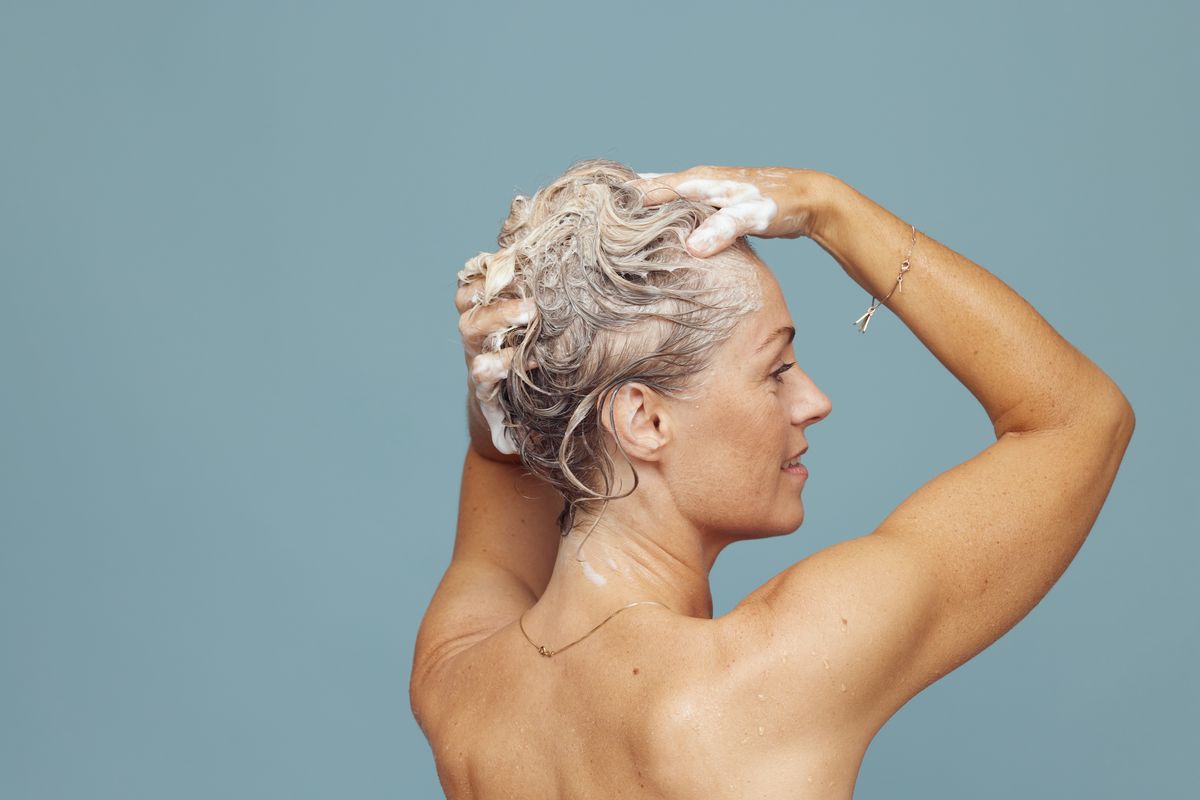
How to Choose the Right Shampoo
Choosing the right shampoo is essential for healthy hair. Learn about different types and how to select the best one for your needs.

How to Choose a Conditioner
Conditioner is essential for healthy hair. Learn about different types and how to choose the best one for your hair needs.
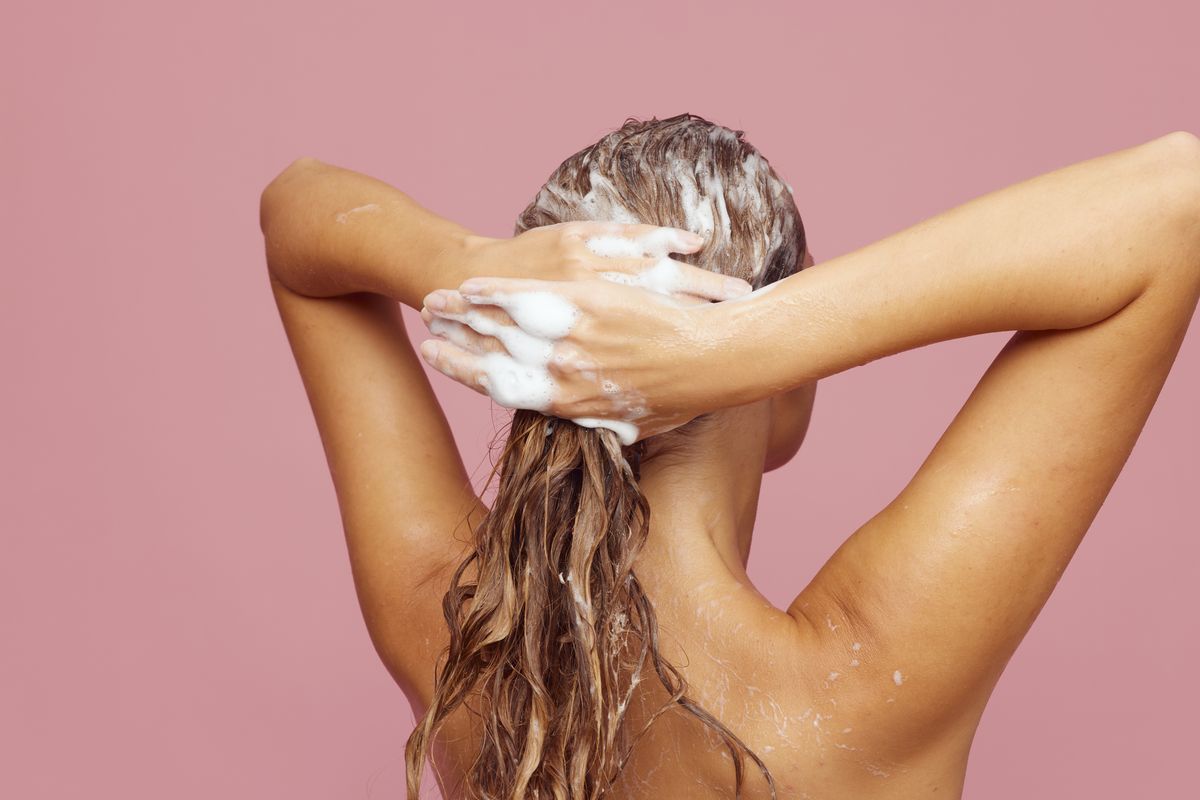
How Often Should You Wash Your Hair?
The right washing frequency depends on your hair type, lifestyle, and preferences. Learn how to find your ideal schedule.