How to Make Makeup Last Longer
Techniques and tips for all-day makeup wear
Learn techniques to make your makeup last all day. From prep to finish, discover how to keep your look fresh from morning to night.
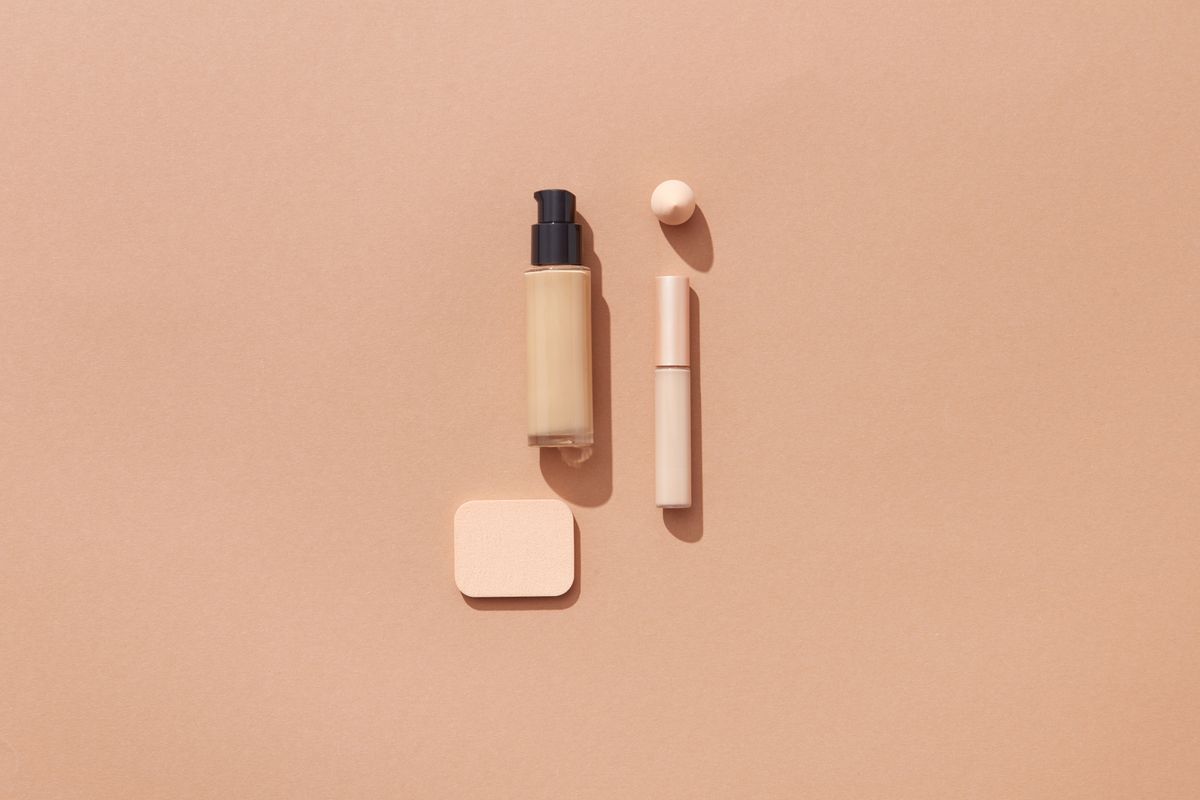
Long-lasting makeup starts long before you apply your first product. Proper preparation, the right techniques, and strategic product choices can help your makeup stay fresh throughout the day.
Start with Skincare
Well-prepped skin is the foundation of long-lasting makeup:
- Cleanse thoroughly
- Apply moisturizer suited to your skin type
- Wait 5-10 minutes for products to absorb
- Apply sunscreen and let it set
Use Primer
Primer creates a smooth base and helps makeup adhere better:
- Pore-minimizing primer: For large pores and oily skin
- Hydrating primer: For dry skin
- Color-correcting primer: For redness or dullness
- Mattifying primer: For oily skin and T-zone
Apply a thin layer and let it set for 1-2 minutes before foundation.
Application Techniques
Foundation
- Apply in thin layers rather than one heavy layer
- Use a damp sponge for natural finish and better adherence
- Blend well into hairline and jawline
- Set immediately with powder
Concealer
- Apply after foundation (not before)
- Use thin layers
- Set with translucent powder
Powder
Strategic powder placement is key:
- Focus on oily areas (T-zone, under eyes)
- Use a light hand on dry areas
- Press powder in rather than sweeping
- Use translucent powder to avoid changing foundation color
Setting Your Makeup
Setting Powder
Applied after cream products to lock them in place. Focus on areas that tend to get oily or where makeup creases.
Setting Spray
The final step to seal everything:
- Hold bottle 8-10 inches from face
- Mist in an X and T pattern
- Let it dry naturally
- Don't touch your face after
Product Choices for Longevity
Long-Wearing Formulas
Look for products labeled:
- Long-wearing
- Water-resistant
- Transfer-resistant
- 24-hour wear
Waterproof Products
For eyes and brows, waterproof formulas resist smudging from humidity, sweat, or tears.
Touch-Up Strategies
Even the best makeup needs occasional touch-ups:
- Blotting papers for oil control
- Pressed powder for shine control
- Lip product for color refresh
- Concealer for any areas that have faded
Things to Avoid
- Touching your face throughout the day
- Applying too much product initially
- Skipping primer or setting steps
- Using products not suited to your skin type
- Applying makeup to oily or unprepared skin
Climate Considerations
Hot and Humid Weather
- Use mattifying primer
- Choose long-wearing, waterproof formulas
- Set thoroughly with powder
- Carry blotting papers
Cold and Dry Weather
- Focus on hydration
- Use hydrating primer
- Choose dewy or natural finish products
- Avoid heavy powder
Special Occasions
For events where makeup needs to last extra long:
- Start skincare prep the night before
- Use all longevity techniques
- Consider professional-grade products
- Bring a touch-up kit
Long-lasting makeup is about preparation, technique, and the right products. With practice, you'll develop a routine that keeps your look fresh all day.
Research Before You Buy
Explore Makeup Products
Use our research-based guides to compare formats, finishes, shade considerations, and practical product features before purchasing.
Affiliate disclosure: If a recommendation includes an affiliate link and you purchase through it, we may earn a commission at no additional cost to you. Affiliate availability does not determine our editorial conclusions. See our Affiliate Disclosure.
Continue Reading
You May Also Like

Common Makeup Mistakes and How to Avoid Them
Even experienced makeup users make common mistakes. Learn to identify and fix these errors for better makeup application.
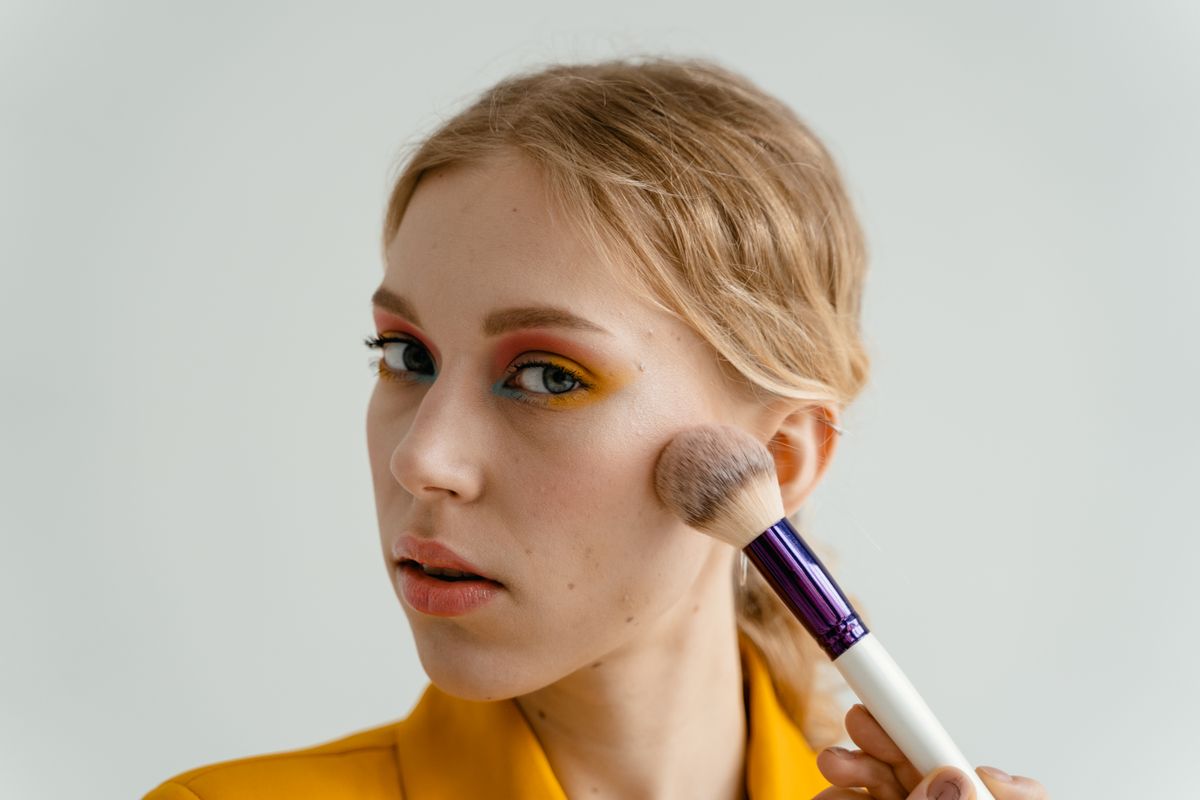
How to Refresh Makeup Without Caking
Blot, rehydrate, and correct small areas instead of layering a full face again.
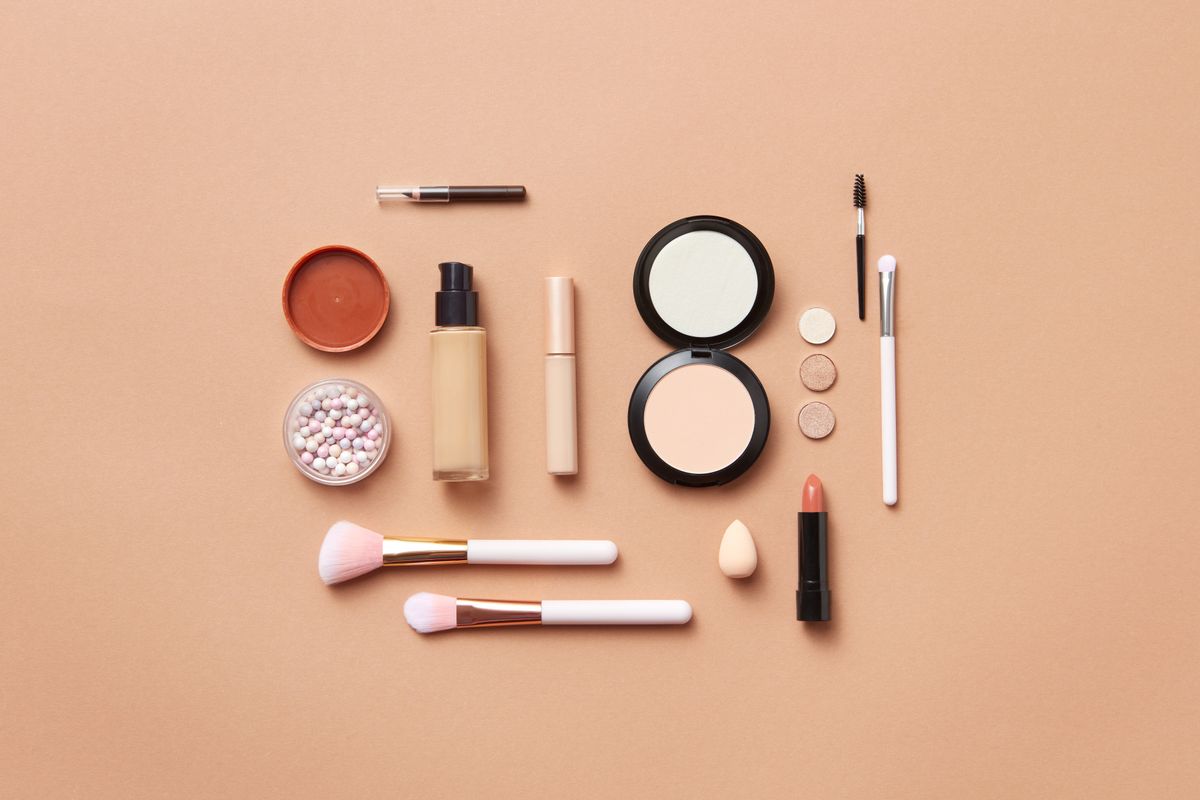
Beginner's Guide to Everyday Makeup
Starting with makeup can feel overwhelming. Learn the basics of everyday makeup with this simple, beginner-friendly guide.
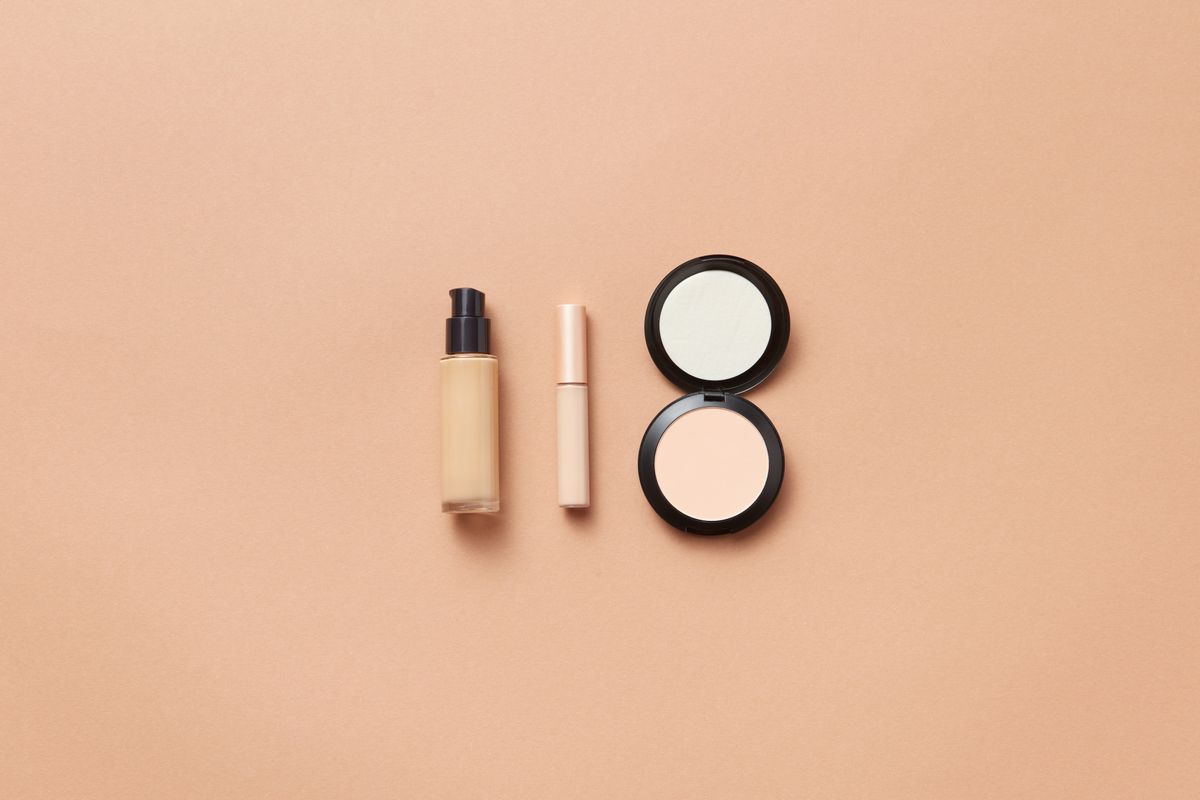
How to Choose the Right Foundation
Finding the right foundation can be challenging. Learn about different types, coverage levels, and how to find your perfect shade match.