How to Adjust Your Skincare for Humid Weather
Lighten textures without skipping hydration or sun protection
Make a routine feel more comfortable in heat and humidity by changing texture, application, and timing.
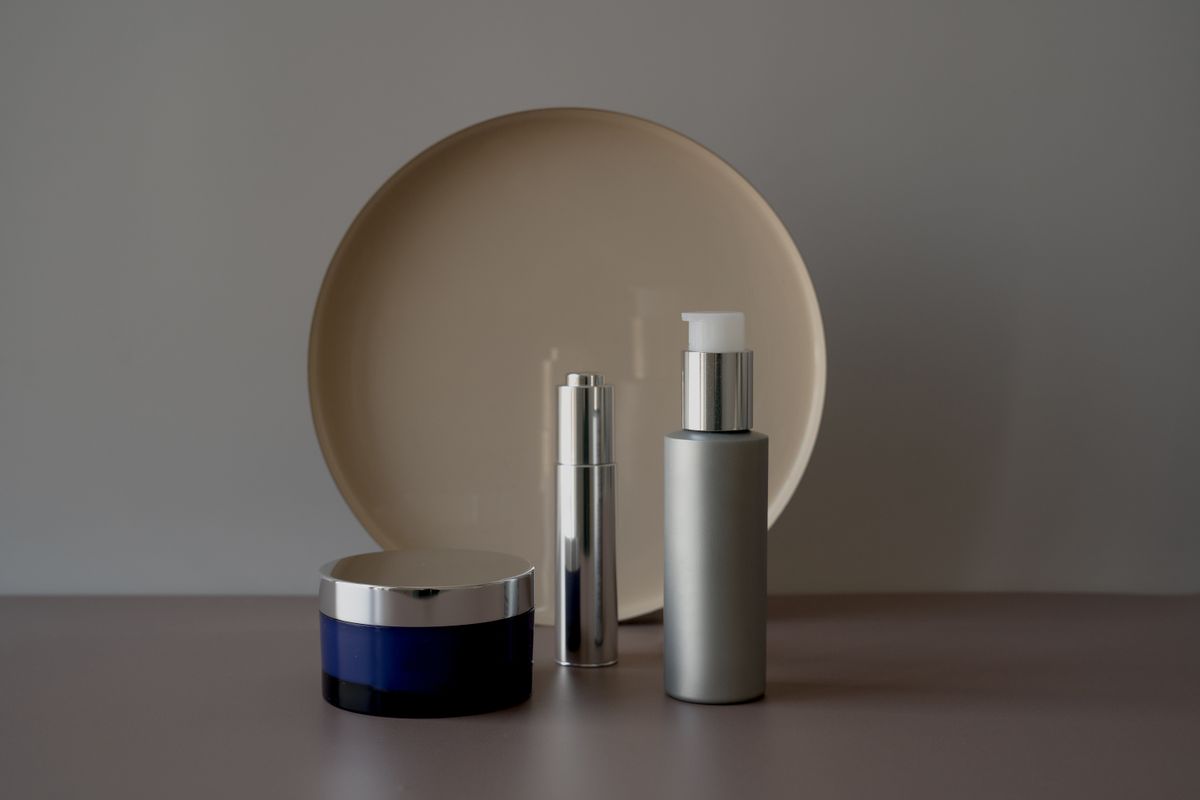
Humidity can make rich layers feel heavy, but it does not eliminate the need for cleansing, hydration, or sunscreen.
Choose Lighter Textures
Gel moisturizers, fluid sunscreens, and lightweight serums may feel more comfortable than thick creams during humid months.
Cleanse Without Stripping
Remove sweat, sunscreen, and makeup with a gentle cleanser. Excessively harsh cleansing can leave skin feeling tight and uncomfortable.
Apply Smaller Amounts
Use thin, even layers and allow each one to settle. More product does not necessarily provide better results.
Keep Sunscreen Practical
Choose a formula you can apply generously and reapply as directed, especially during prolonged outdoor exposure.
A Practical Way to Use This Information
Use how to adjust your skincare for humid weather as a framework, not as a reason to replace an entire routine at once. Keep a stable base of gentle cleansing, moisturizer, and daytime sun protection, then change one step at a time. Check the current product label for directions, warnings, and frequency because formulas and concentrations vary.
Before You Add or Change a Product
- Identify the specific job the product needs to do in your routine.
- Compare the complete ingredient list rather than one highlighted ingredient.
- Patch test unfamiliar formulas and introduce them gradually.
- Avoid stacking several strong exfoliating or retinoid products on the same day.
- Stop if you develop persistent burning, swelling, or worsening irritation.
How to Judge Whether the Routine Is Working
Pay attention to comfort, dryness, oiliness, visible irritation, and how consistently you can follow the routine. Take notes rather than changing products every few days. Cosmetic skincare can support appearance and comfort, but it is not a substitute for medical care. A dermatologist or other qualified clinician can help with persistent rashes, painful breakouts, or suspected skin conditions.
Research Before You Buy
Explore Skincare Products
Compare product purpose, verified ingredient information, format, and suitability for different skin needs in our research-based reviews and guides.
Affiliate disclosure: If a recommendation includes an affiliate link and you purchase through it, we may earn a commission at no additional cost to you. Affiliate availability does not determine our editorial conclusions. See our Affiliate Disclosure.
Continue Reading
You May Also Like

How to Build a Simple Skincare Routine
Building a simple skincare routine doesn't have to be complicated. Learn the essential steps and how to choose products that work for your skin.
Understanding the Skin Barrier
The skin barrier plays a crucial role in protecting your skin. Learn what it is, how to support it, and signs it may be compromised.

What Is Niacinamide?
Niacinamide is a popular skincare ingredient known for its versatility. Learn what it is, how it works, and how to use it in your routine.

What Is Hyaluronic Acid?
Hyaluronic acid is a hydrating powerhouse in skincare. Learn what it does, how to use it, and why it's beneficial for all skin types.