What Is Hyaluronic Acid?
Understanding this popular hydrating ingredient
Hyaluronic acid is a hydrating powerhouse in skincare. Learn what it does, how to use it, and why it's beneficial for all skin types.
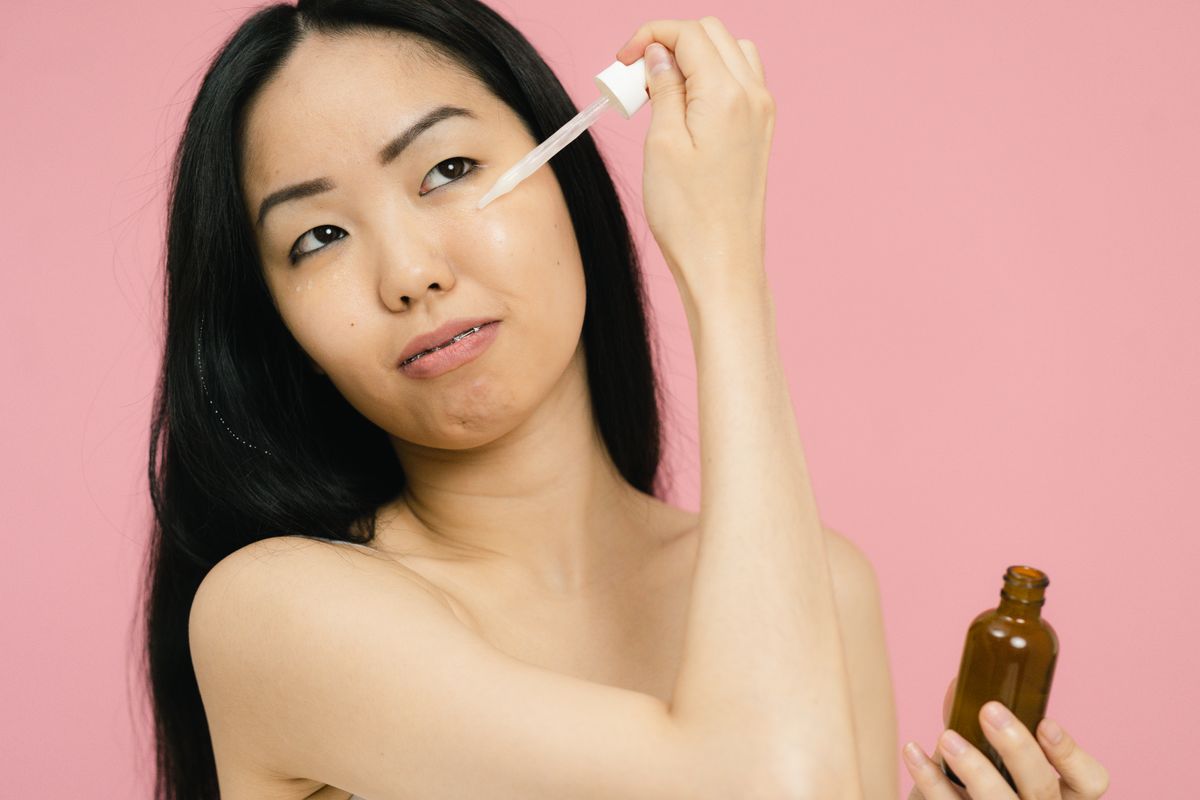
Hyaluronic acid has become a staple in modern skincare, known for its exceptional ability to attract and retain moisture. Despite its name, it's not an exfoliating acid but rather a hydrating molecule.
What Is Hyaluronic Acid?
Hyaluronic acid (HA) is a glycosaminoglycan—a substance naturally found in the skin, connective tissues, and eyes. It's a humectant, meaning it attracts and holds water molecules. One molecule can hold up to 1000 times its weight in water.
How It Works in Skincare
When applied topically, hyaluronic acid draws moisture from the environment and deeper skin layers to the surface. This helps:
- Hydrate the skin's surface
- Plump the appearance of fine lines
- Improve skin texture and smoothness
- Support the skin barrier
Benefits of Hyaluronic Acid
Intense Hydration
HA provides immediate hydration that can be felt upon application. It's particularly beneficial for dehydrated skin.
Plumping Effect
By drawing water to the skin's surface, HA can temporarily plump fine lines and give skin a smoother appearance.
Lightweight Feel
Unlike heavy occlusive moisturizers, hyaluronic acid serums are typically lightweight and suitable for all skin types, including oily skin.
Compatibility
HA works well with virtually all other skincare ingredients, making it easy to incorporate into any routine.
How to Use Hyaluronic Acid
Application Method
For best results, apply hyaluronic acid to damp skin. This gives the molecule water to bind to. Follow immediately with a moisturizer to seal in the hydration.
When to Apply
Use HA serums after cleansing and toning, but before heavier products like moisturizers and oils. It can be used morning and night.
Layering
Some products contain multiple molecular weights of hyaluronic acid. Smaller molecules penetrate deeper, while larger molecules work on the surface. This multi-depth approach may provide more comprehensive hydration.
Who Should Use It?
Hyaluronic acid is suitable for:
- All skin types (oily, dry, combination, sensitive)
- Dehydrated skin
- Mature skin
- Those in dry climates (with proper moisturizer)
- Anyone seeking lightweight hydration
Climate Considerations
In very dry environments, hyaluronic acid may draw moisture from deeper skin layers if there's not enough humidity in the air. In these cases, applying to damp skin and following with a moisturizer is especially important.
What to Look For
When choosing a hyaluronic acid product:
- Look for "sodium hyaluronate" on the label (a salt form that's often more stable)
- Consider products with multiple molecular weights
- Check for supporting ingredients like ceramides or glycerin
- Choose a texture you enjoy using
Common Misconceptions
It's not an exfoliant: Despite having "acid" in the name, hyaluronic acid doesn't exfoliate. It's purely hydrating.
It's not just for dry skin: Oily skin types can benefit from lightweight HA hydration without adding heaviness.
It doesn't replace moisturizer: HA hydrates, but you still need a moisturizer to seal in that hydration.
Hyaluronic acid is a versatile, effective ingredient that can benefit almost any skincare routine. Its ability to provide lightweight, effective hydration makes it a valuable addition for many skin types and concerns.
Research Before You Buy
Explore Skincare Products
Compare product purpose, verified ingredient information, format, and suitability for different skin needs in our research-based reviews and guides.
Affiliate disclosure: If a recommendation includes an affiliate link and you purchase through it, we may earn a commission at no additional cost to you. Affiliate availability does not determine our editorial conclusions. See our Affiliate Disclosure.
Continue Reading
You May Also Like

What Is Niacinamide?
Niacinamide is a popular skincare ingredient known for its versatility. Learn what it is, how it works, and how to use it in your routine.
How to Read a Skincare Ingredient List
Skincare ingredient lists can be confusing. Learn how to read them, understand INCI names, and identify key ingredients.
Retinol: What Beginners Should Know
Retinol is one of the most researched anti-aging ingredients. Learn how it works, how to use it, and what to expect.

5 Skincare Ingredients Every Beginner Should Know
New to skincare? Start with these five well-researched ingredients that form the foundation of most effective routines.