Retinol: What Beginners Should Know
A comprehensive guide to this powerful anti-aging ingredient
Retinol is one of the most researched anti-aging ingredients. Learn how it works, how to use it, and what to expect.
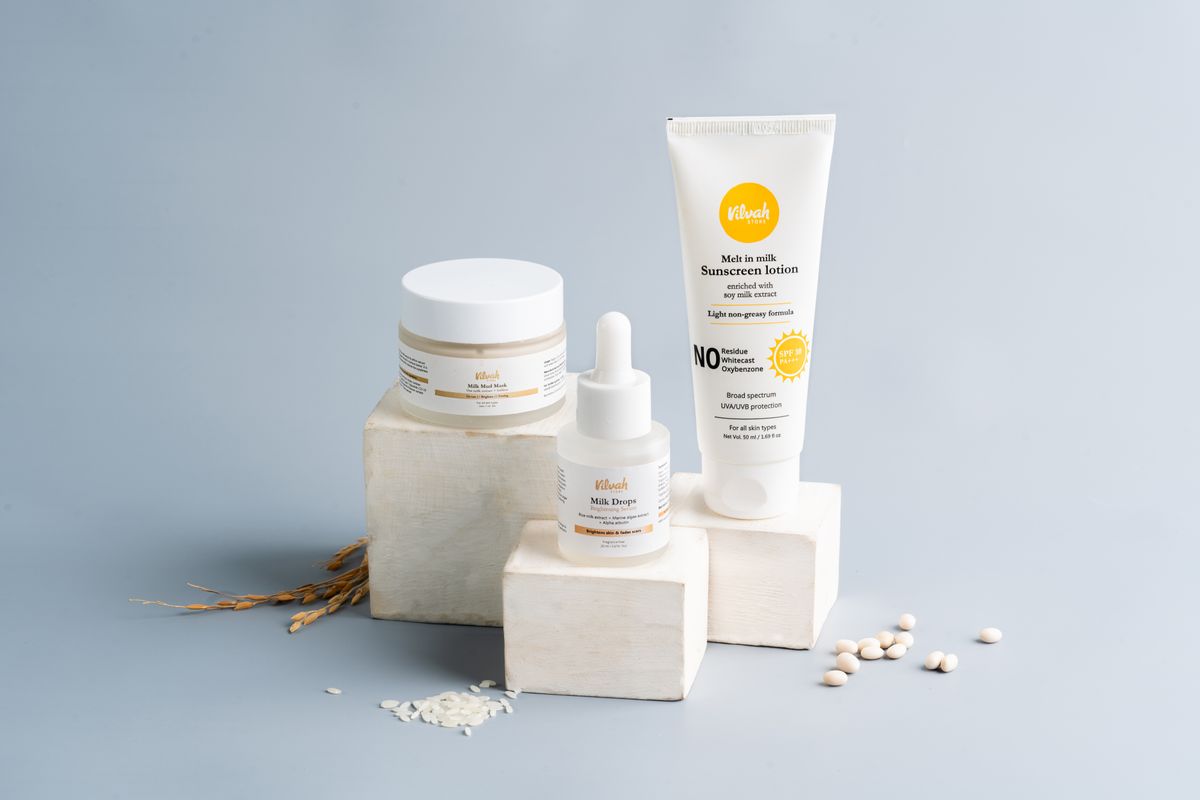
Retinol, a form of vitamin A, is one of the most well-researched and effective anti-aging ingredients available. It promotes cell turnover, stimulates collagen production, and can improve the appearance of fine lines, texture, and hyperpigmentation.
What Is Retinol?
Retinol is a type of retinoid (vitamin A derivative) available over-the-counter. It converts to retinoic acid in the skin, which is the active form that provides benefits. Prescription retinoids like tretinoin are stronger and work more quickly.
Benefits of Retinol
- Anti-aging: Stimulates collagen production, reducing fine lines
- Texture improvement: Promotes cell turnover for smoother skin
- Hyperpigmentation: Helps fade dark spots and uneven tone
- Acne: Prevents clogged pores and reduces breakouts
- Pore appearance: May minimize the look of enlarged pores
How to Start Using Retinol
Start Slowly
Begin with 2-3 times per week, gradually increasing frequency as your skin tolerates it. Some people can eventually use it nightly, but this takes time.
Choose the Right Concentration
Start with a low concentration (0.01-0.03%) and increase gradually. Higher concentrations aren't necessarily better and can cause more irritation.
Apply Correctly
- Cleanse and dry face completely
- Wait 20-30 minutes for skin to fully dry
- Apply a pea-sized amount to entire face
- Avoid eye area, lips, and corners of nose
- Follow with moisturizer
Managing Retinization
When you first start retinol, you may experience:
- Dryness and flaking
- Redness and irritation
- Increased sensitivity
- Purging (temporary increase in breakouts)
Tips to Minimize Irritation
- Start slowly and increase gradually
- Use the "sandwich method": moisturizer, retinol, moisturizer
- Apply to fully dry skin
- Use gentle, hydrating products in your routine
- Avoid other irritating ingredients initially
Important Considerations
Sun Sensitivity
Retinol increases sun sensitivity. Always use sunscreen during the day, even on cloudy days.
When to Use
Use retinol at night. Sunlight can degrade retinol and make it less effective.
Ingredients to Avoid Combining
Initially, avoid combining retinol with:
- AHAs and BHAs (use on alternate nights)
- Vitamin C (use vitamin C in morning, retinol at night)
- Benzoyl peroxide
Pregnancy and Nursing
Retinol is not recommended during pregnancy or while nursing. Consult your healthcare provider.
When to Expect Results
- 4-6 weeks: Initial improvement in texture and tone
- 8-12 weeks: Visible reduction in fine lines
- 3-6 months: More significant anti-aging results
- 6+ months: Continued improvement
Who Should Use Retinol?
Retinol is suitable for most skin types and concerns:
- Aging and fine lines
- Uneven texture
- Hyperpigmentation
- Acne-prone skin
- Most skin types (start with appropriate concentration)
Who Should Be Cautious
- Very sensitive skin (start with lowest concentration)
- Those with active eczema or rosacea
- Pregnant or nursing individuals
- Those using other strong actives
Types of Retinoids
- Retinol: OTC, gentle, takes longer to see results
- Retinaldehyde: OTC, one step closer to retinoic acid
- Retinyl palmitate: OTC, weakest form
- Adapalene: OTC (in some countries), good for acne
- Tretinoin: Prescription, strongest, fastest results
Retinol is a powerful ingredient that can significantly improve skin appearance when used correctly. Start slowly, be patient, and always use sunscreen for best results.
Research Before You Buy
Explore Skincare Products
Compare product purpose, verified ingredient information, format, and suitability for different skin needs in our research-based reviews and guides.
Affiliate disclosure: If a recommendation includes an affiliate link and you purchase through it, we may earn a commission at no additional cost to you. Affiliate availability does not determine our editorial conclusions. See our Affiliate Disclosure.
Continue Reading
You May Also Like

What Is Niacinamide?
Niacinamide is a popular skincare ingredient known for its versatility. Learn what it is, how it works, and how to use it in your routine.
What Is Hyaluronic Acid?
Hyaluronic acid is a hydrating powerhouse in skincare. Learn what it does, how to use it, and why it's beneficial for all skin types.
How to Read a Skincare Ingredient List
Skincare ingredient lists can be confusing. Learn how to read them, understand INCI names, and identify key ingredients.

Squalane in Skincare: A Beginner’s Guide
Understand the role of squalane in moisturizers, facial oils, and barrier-supporting formulas without exaggerated claims.