Squalane in Skincare: A Beginner’s Guide
What this lightweight emollient is and how it is commonly used
Understand the role of squalane in moisturizers, facial oils, and barrier-supporting formulas without exaggerated claims.

Squalane is a stable emollient commonly used to soften skin and reduce moisture loss. It is related to squalene, a lipid naturally present in human sebum.
What It Does in a Formula
Squalane helps products spread smoothly and can leave skin feeling softer without the heaviness associated with some oils.
Who May Like It
Dry and normal skin types may appreciate its emollient feel. Lightweight squalane formulas may also suit combination skin, although preferences vary.
How to Use It
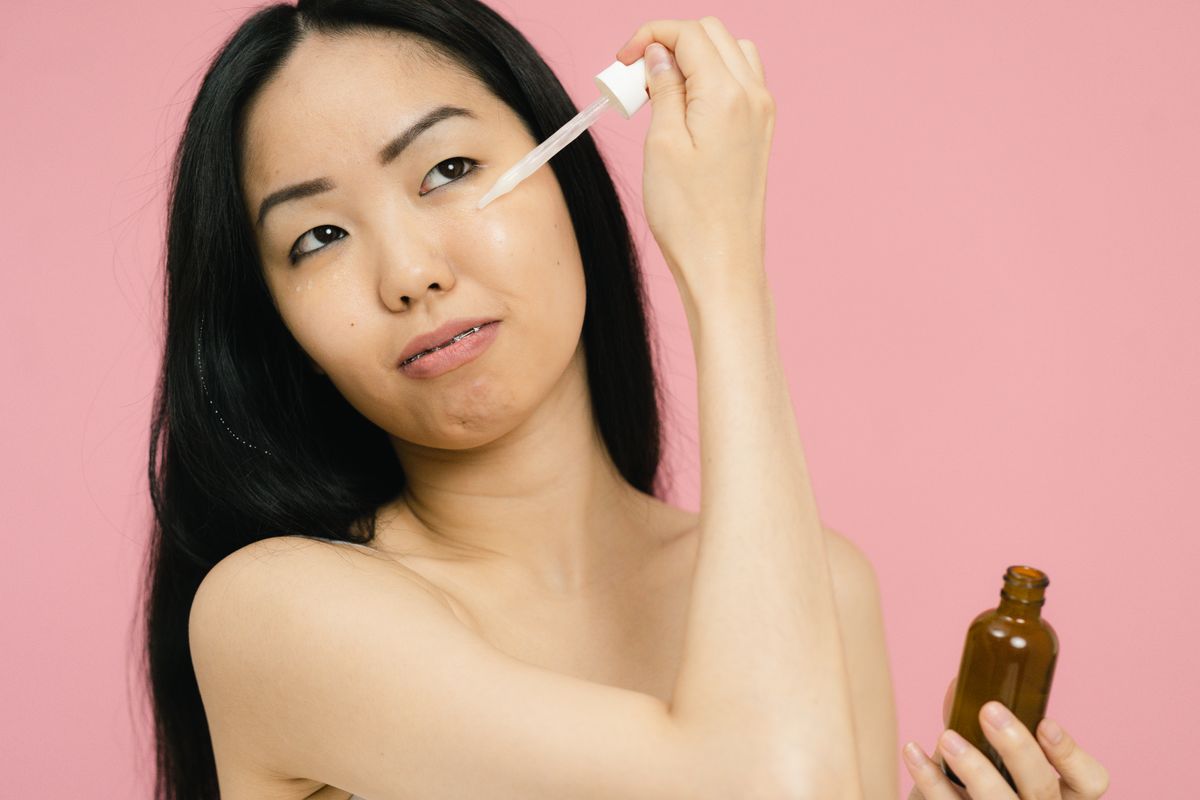
Use a moisturizer containing squalane, or press a few drops of a squalane oil over moisturizer. Start with a small amount.
Considerations
Review the complete formula rather than judging a product by one ingredient. Patch testing remains useful for sensitive or reactive skin.
A Practical Way to Use This Information
Use squalane in skincare: a beginner’s guide as a framework, not as a reason to replace an entire routine at once. Keep a stable base of gentle cleansing, moisturizer, and daytime sun protection, then change one step at a time. Check the current product label for directions, warnings, and frequency because formulas and concentrations vary.
Before You Add or Change a Product
- Identify the specific job the product needs to do in your routine.
- Compare the complete ingredient list rather than one highlighted ingredient.
- Patch test unfamiliar formulas and introduce them gradually.
- Avoid stacking several strong exfoliating or retinoid products on the same day.
- Stop if you develop persistent burning, swelling, or worsening irritation.
How to Judge Whether the Routine Is Working
Pay attention to comfort, dryness, oiliness, visible irritation, and how consistently you can follow the routine. Take notes rather than changing products every few days. Cosmetic skincare can support appearance and comfort, but it is not a substitute for medical care. A dermatologist or other qualified clinician can help with persistent rashes, painful breakouts, or suspected skin conditions.
Research Before You Buy
Explore Skincare Products
Compare product purpose, verified ingredient information, format, and suitability for different skin needs in our research-based reviews and guides.
Affiliate disclosure: If a recommendation includes an affiliate link and you purchase through it, we may earn a commission at no additional cost to you. Affiliate availability does not determine our editorial conclusions. See our Affiliate Disclosure.
Continue Reading
You May Also Like

What Is Niacinamide?
Niacinamide is a popular skincare ingredient known for its versatility. Learn what it is, how it works, and how to use it in your routine.
What Is Hyaluronic Acid?
Hyaluronic acid is a hydrating powerhouse in skincare. Learn what it does, how to use it, and why it's beneficial for all skin types.
How to Read a Skincare Ingredient List
Skincare ingredient lists can be confusing. Learn how to read them, understand INCI names, and identify key ingredients.
Retinol: What Beginners Should Know
Retinol is one of the most researched anti-aging ingredients. Learn how it works, how to use it, and what to expect.