How to Read a Skincare Ingredient List
Understanding INCI names and ingredient order
Skincare ingredient lists can be confusing. Learn how to read them, understand INCI names, and identify key ingredients.
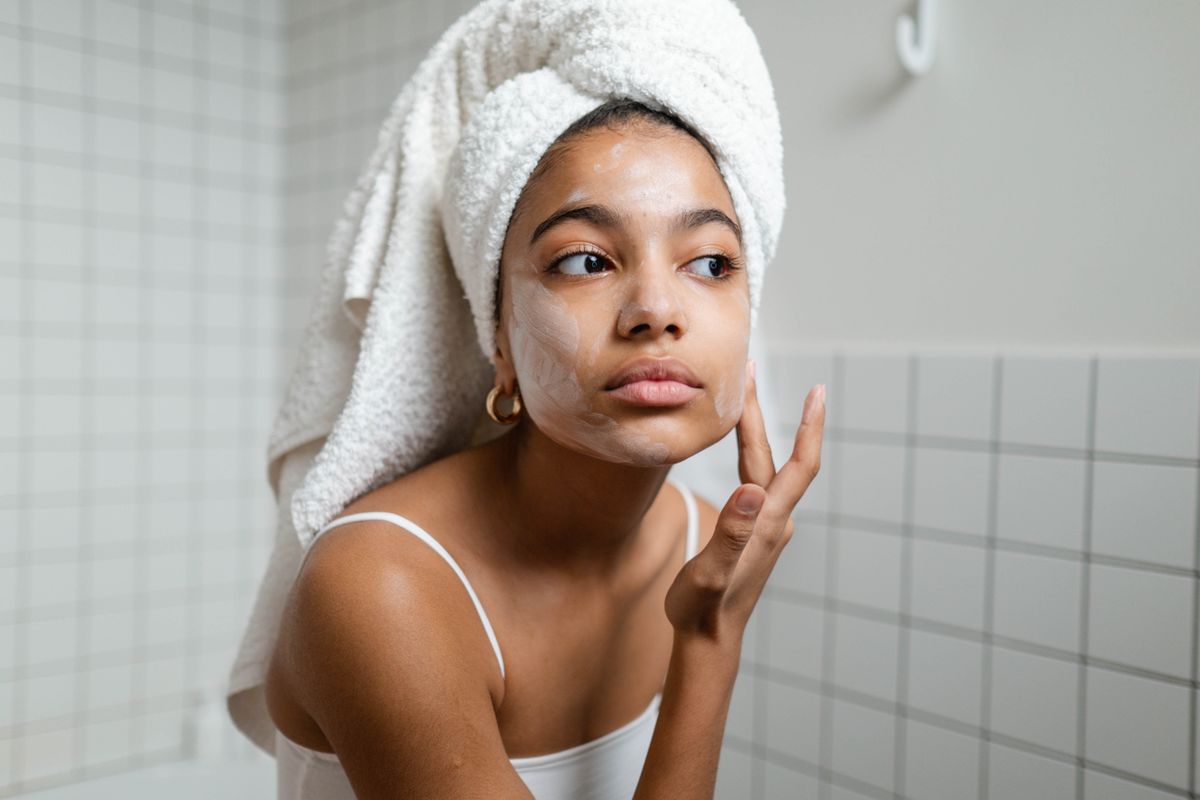
Reading skincare ingredient lists can feel like deciphering a foreign language. Understanding how to read these lists helps you make informed choices about the products you use.
The Basics of Ingredient Lists
Ingredients are listed in descending order of concentration. The first ingredient makes up the largest percentage of the product, and each subsequent ingredient is present in smaller amounts.
Ingredients present at 1% or less can be listed in any order after the 1% mark. This is often indicated by preservatives like phenoxyethanol, which is typically used at 1% or less.
Understanding INCI Names
INCI (International Nomenclature of Cosmetic Ingredients) names are standardized names used worldwide. They may look scientific, but many are simply the Latin or chemical names for common ingredients.
Common INCI Translations
- Aqua: Water
- Glycerin: Glycerin (same)
- Tocopherol: Vitamin E
- Ascorbic Acid: Vitamin C
- Niacinamide: Vitamin B3 (same)
- Butyrospermum Parkii: Shea butter
- Simmondsia Chinensis: Jojoba oil
- Sodium Hyaluronate: Hyaluronic acid (salt form)
What to Look For
Key Active Ingredients
Look for the ingredients that address your concerns. If a product claims to contain niacinamide, check that niacinamide appears relatively high on the list (ideally in the top 10 ingredients).
Supporting Ingredients
Base ingredients like water, glycerin, and emulsifiers are necessary but don't provide the main benefits. Focus on the active ingredients.
Potential Irritants
If you have sensitive skin, watch for:
- Fragrance (Parfum)
- Essential oils
- Denatured alcohol (Alcohol Denat)
- Certain preservatives
Note that "fragrance-free" doesn't always mean no fragrance—some products use masking fragrances.
Red Flags
Marketing vs. Reality
Just because an ingredient is listed doesn't mean it's present in effective amounts. An extract at the very end of the list may be present in such a tiny amount that it's essentially irrelevant.
"Contains" Claims
Products may claim to "contain" certain ingredients, but check the actual position on the ingredient list. If it's near the bottom, it's present in very small amounts.
Ingredient Position
Generally, ingredients in the top third of the list are present in meaningful amounts. Ingredients after the 1% mark are present in smaller quantities.
Common Ingredient Categories
Solvents
Water (Aqua) is the most common. Other solvents include glycerin, butylene glycol, and propanediol.
Emollients
These soften and smooth skin: squalane, jojoba oil, shea butter, dimethicone, cetyl alcohol.
Humectants
These attract water: glycerin, hyaluronic acid, aloe, honey, urea.
Occlusives
These seal in moisture: petrolatum, mineral oil, beeswax, dimethicone.
Emulsifiers
These help oil and water mix: cetearyl alcohol, glyceryl stearate, polysorbates.
Preservatives
Necessary to prevent bacterial growth: phenoxyethanol, potassium sorbate, sodium benzoate, parabens.
pH Adjusters
These adjust the product's pH: citric acid, sodium hydroxide, triethanolamine.
Active Ingredients
These provide the main benefits: niacinamide, retinol, vitamin C, AHAs, BHAs, peptides.
How to Research Ingredients
Use Reliable Resources
- INCIDecoder (ingredient database)
- Paula's Choice Ingredient Dictionary
- Scientific databases for research
Check Concentrations
Some ingredients have known effective concentrations. For example, niacinamide is effective at 2-5%, so you can gauge if a product likely contains an effective amount.
Look for Supporting Ingredients
Some ingredients work better with supporting ingredients. Vitamin C is more stable with vitamin E and ferulic acid.
Tools and Apps
Several apps can help decode ingredient lists:
- INCIDecoder
- Think Dirty
- Yuka
- Cosmethics
These apps break down ingredients and highlight potential concerns. However, they may have different standards for what's considered "problematic," so use them as guides rather than absolute truth.
Understanding Percentages
Most brands don't disclose exact percentages. However, you can make educated guesses:
- Water is typically 60-85% of a product
- The first 5-7 ingredients make up the majority
- Ingredients after preservatives are usually under 1%
Common Misconceptions
"Chemical" Means Bad
Everything is a chemical, including water. The term "chemical-free" is meaningless. Focus on whether specific ingredients are beneficial or problematic for your skin.
Natural Is Always Better
Natural ingredients aren't automatically safer or more effective. Many synthetic ingredients are well-researched, stable, and effective.
Long Lists Are Bad
A long ingredient list isn't necessarily bad. Some effective products have 30+ ingredients. What matters is what's included and in what amounts.
Practical Tips
- Focus on the first 10-15 ingredients
- Learn common INCI names for ingredients you care about
- Don't panic over ingredients you don't recognize
- Research specific concerns rather than avoiding entire categories
- Patch test new products regardless of ingredients
When in Doubt
If you're unsure about an ingredient or product, consult reliable sources or consider patch testing. Everyone's skin is different, and what works for one person may not work for another.
Learning to read ingredient lists takes time, but it becomes easier with practice. Focus on understanding the ingredients that matter most to your skin concerns, and don't worry about memorizing every possible ingredient.
Research Before You Buy
Explore Skincare Products
Compare product purpose, verified ingredient information, format, and suitability for different skin needs in our research-based reviews and guides.
Affiliate disclosure: If a recommendation includes an affiliate link and you purchase through it, we may earn a commission at no additional cost to you. Affiliate availability does not determine our editorial conclusions. See our Affiliate Disclosure.
Continue Reading
You May Also Like

What Is Niacinamide?
Niacinamide is a popular skincare ingredient known for its versatility. Learn what it is, how it works, and how to use it in your routine.
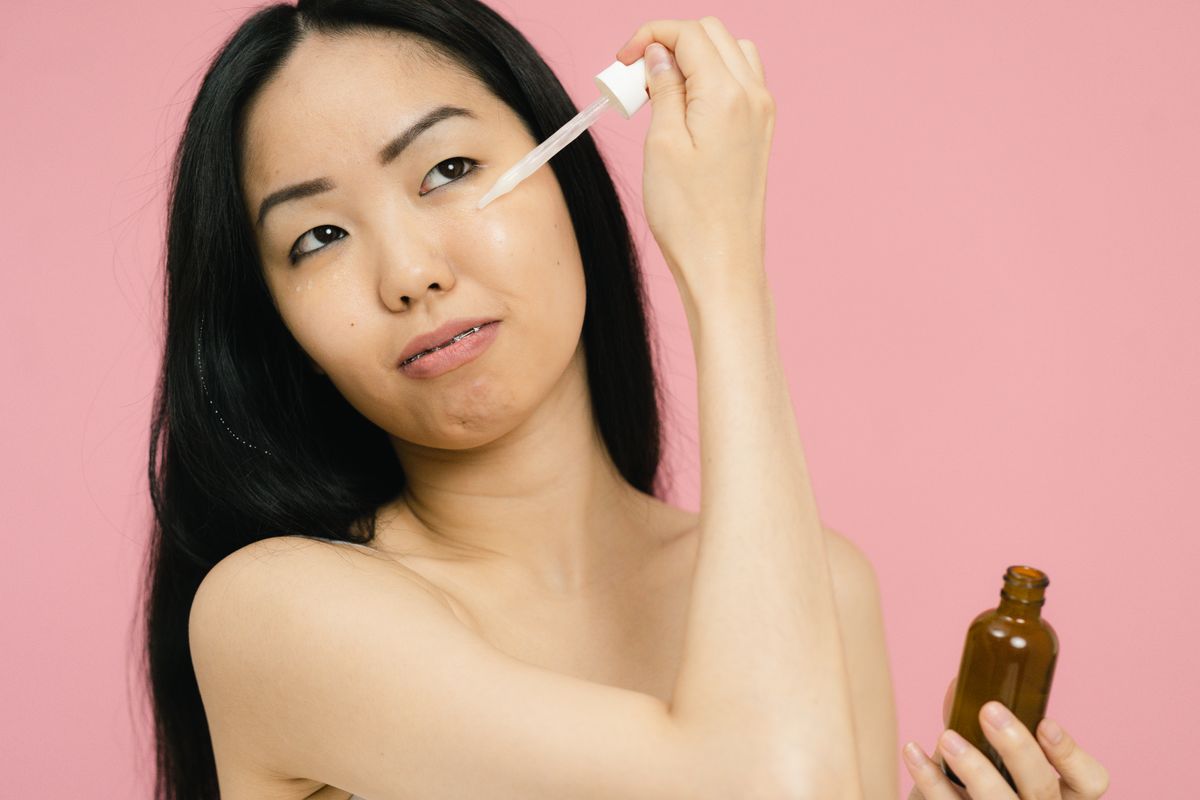
What Is Hyaluronic Acid?
Hyaluronic acid is a hydrating powerhouse in skincare. Learn what it does, how to use it, and why it's beneficial for all skin types.
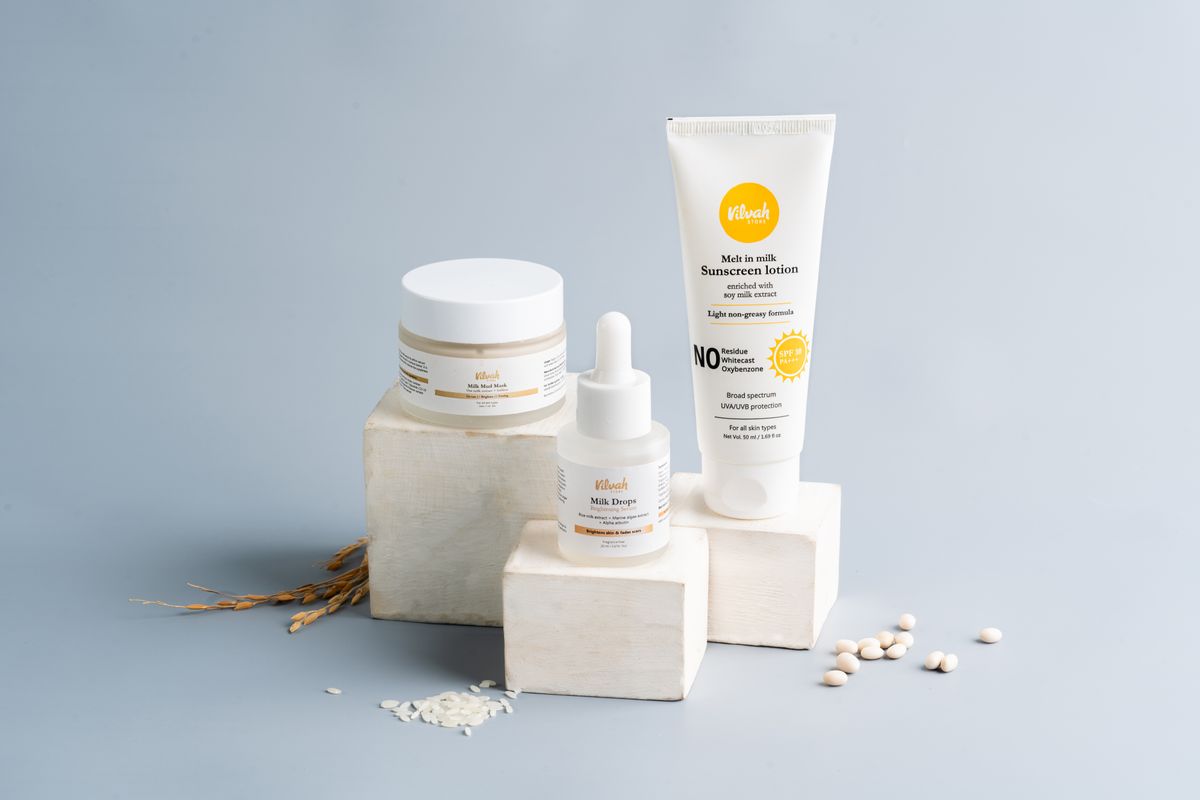
Retinol: What Beginners Should Know
Retinol is one of the most researched anti-aging ingredients. Learn how it works, how to use it, and what to expect.

Squalane in Skincare: A Beginner’s Guide
Understand the role of squalane in moisturizers, facial oils, and barrier-supporting formulas without exaggerated claims.