Understanding the Skin Barrier
What the skin barrier is and why it matters for healthy skin
The skin barrier plays a crucial role in protecting your skin. Learn what it is, how to support it, and signs it may be compromised.
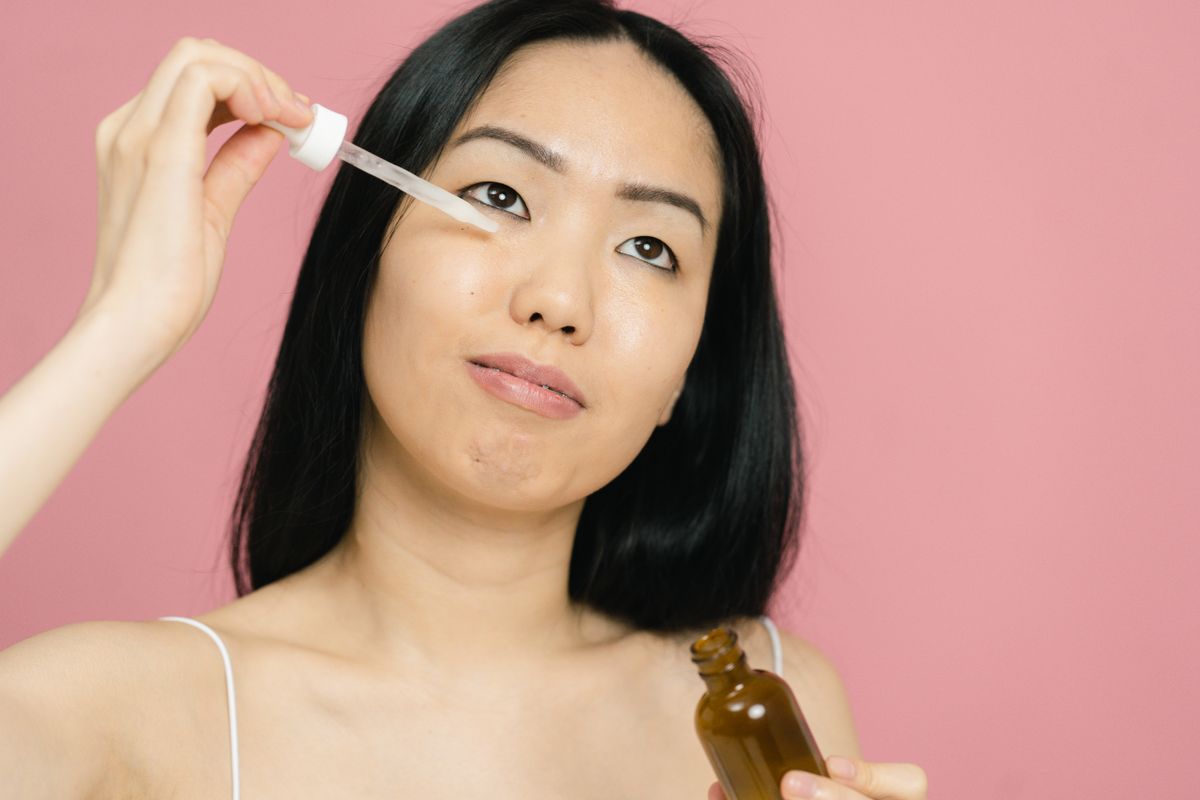
The skin barrier, also known as the stratum corneum, is your body's first line of defense against the external environment. Understanding this protective layer can help you make better skincare choices.
What Is the Skin Barrier?
The skin barrier is the outermost layer of your skin. It's composed of skin cells (corneocytes) held together by lipids (fats), forming a protective "brick and mortar" structure. This barrier keeps moisture in and harmful elements out.
Functions of the Skin Barrier
- Protection: Shields against bacteria, pollutants, and UV radiation
- Hydration: Prevents water loss from deeper skin layers
- pH balance: Maintains the skin's slightly acidic environment
- Immune defense: Part of the skin's immune system
Signs of a Compromised Barrier
When the skin barrier is damaged, you may experience:
- Dryness and tightness
- Increased sensitivity and irritation
- Redness and inflammation
- More frequent breakouts
- Rough or flaky texture
- Stinging when applying products
What Damages the Skin Barrier?
Several factors can compromise your skin barrier:
- Over-exfoliation
- Harsh cleansers
- Hot water
- Environmental stressors (pollution, wind, cold)
- Certain active ingredients used incorrectly
- Aging
Supporting Your Skin Barrier
Protecting and repairing your skin barrier involves gentle care and the right ingredients:
Gentle Cleansing
Use lukewarm water and a gentle, pH-balanced cleanser. Avoid harsh surfactants that strip natural oils.
Barrier-Supporting Ingredients
Look for products containing:
- Ceramides: Lipids naturally found in the skin barrier
- Fatty acids: Help maintain the lipid matrix
- Cholesterol: Another essential barrier lipid
- Niacinamide: Supports barrier function and reduces inflammation
- Hyaluronic acid: Helps with hydration
Moisturize Appropriately
Use moisturizers that match your skin type and contain barrier-supporting ingredients. Apply to damp skin to lock in hydration.
Sun Protection
UV radiation can damage the skin barrier. Daily sunscreen use is essential.
Avoid Over-Exfoliation
Limit chemical and physical exfoliation. Most skin types benefit from exfoliation 1-3 times per week, not daily.
Healing a Damaged Barrier
If your barrier is compromised, simplify your routine. Focus on gentle cleansing, hydration, and barrier-supporting ingredients. Avoid actives like retinol, strong acids, and vitamin C until your skin recovers. This process typically takes 2-4 weeks.
A healthy skin barrier is the foundation of healthy skin. By understanding and supporting it, you can achieve better results from your skincare routine.
Research Before You Buy
Explore Skincare Products
Compare product purpose, verified ingredient information, format, and suitability for different skin needs in our research-based reviews and guides.
Affiliate disclosure: If a recommendation includes an affiliate link and you purchase through it, we may earn a commission at no additional cost to you. Affiliate availability does not determine our editorial conclusions. See our Affiliate Disclosure.
Continue Reading
You May Also Like

What Is Niacinamide?
Niacinamide is a popular skincare ingredient known for its versatility. Learn what it is, how it works, and how to use it in your routine.

What Is Hyaluronic Acid?
Hyaluronic acid is a hydrating powerhouse in skincare. Learn what it does, how to use it, and why it's beneficial for all skin types.
Vitamin C in Skincare: A Beginner's Guide
Vitamin C is a powerhouse antioxidant in skincare. Learn about its benefits, forms, how to use it, and what to look for in products.
How to Read a Skincare Ingredient List
Skincare ingredient lists can be confusing. Learn how to read them, understand INCI names, and identify key ingredients.