Vitamin C in Skincare: A Beginner's Guide
Everything you need to know about this powerful antioxidant
Vitamin C is a powerhouse antioxidant in skincare. Learn about its benefits, forms, how to use it, and what to look for in products.
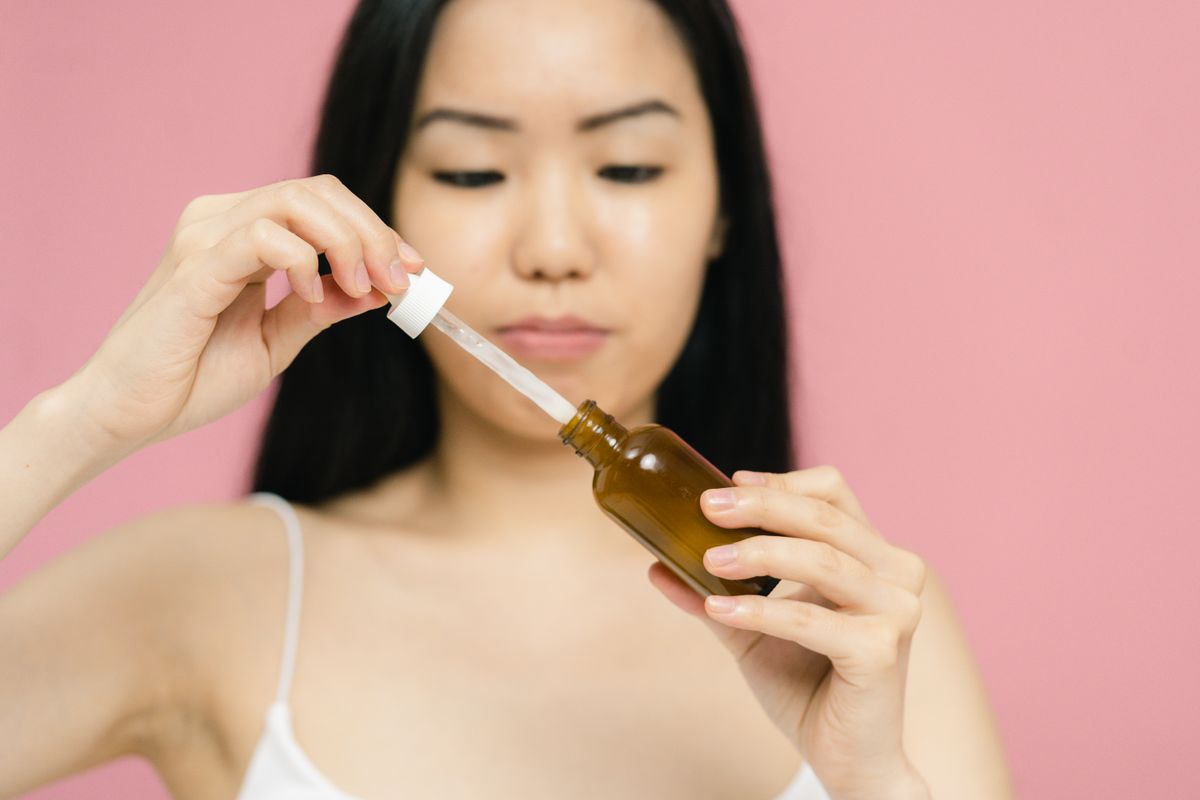
Vitamin C has earned its reputation as one of skincare's most valuable ingredients. This powerful antioxidant offers multiple benefits, from brightening to protection against environmental damage.
What Is Vitamin C in Skincare?
Vitamin C (ascorbic acid) is a water-soluble antioxidant that plays a crucial role in collagen synthesis and protection against free radical damage. In skincare, it's valued for its brightening, protective, and anti-aging properties.
Benefits of Vitamin C
Antioxidant Protection
Vitamin C neutralizes free radicals from UV exposure and pollution, helping prevent premature aging and damage.
Brightening
It may help reduce the appearance of hyperpigmentation, dark spots, and uneven skin tone by inhibiting melanin production.
Collagen Support
Vitamin C is essential for collagen synthesis, potentially helping maintain skin firmness and reduce fine lines over time.
Enhanced Sun Protection
While not a sunscreen, vitamin C can complement sun protection by neutralizing free radicals that get past your SPF.
Forms of Vitamin C
Not all vitamin C is created equal. Different forms have different stability and penetration characteristics:
L-Ascorbic Acid
The most researched and potent form, but also the most unstable. Works best at low pH (under 3.5) and concentrations of 10-20%. Can be irritating for sensitive skin.
Sodium Ascorbyl Phosphate
A more stable, gentler derivative. Less potent than L-ascorbic acid but better tolerated by sensitive skin.
Ascorbyl Glucoside
Another stable derivative that converts to ascorbic acid in the skin. Gentler and more stable than pure ascorbic acid.
Tetrahexyldecyl Ascorbate
A lipid-soluble form that may penetrate better and is less irritating. Stable in formulations.
Magnesium Ascorbyl Phosphate
Water-soluble, stable, and gentle. Good for sensitive skin types.
How to Use Vitamin C
When to Apply
Most people apply vitamin C in the morning to provide antioxidant protection throughout the day. However, it can be used twice daily if tolerated.
Application Order
Apply after cleansing and toning, before moisturizer and sunscreen. For L-ascorbic acid serums, wait a few minutes before applying other products to allow proper absorption.
Start Slowly
If you're new to vitamin C, start with 2-3 times per week and gradually increase frequency as your skin adjusts.
What to Look For
- Form: Choose based on your skin's tolerance and concerns
- Concentration: 10-20% for L-ascorbic acid; derivatives vary
- Packaging: Opaque, airless pumps protect stability
- Supporting ingredients: Vitamin E and ferulic acid enhance stability and efficacy
- pH: L-ascorbic acid needs pH under 3.5
Storage and Stability
Vitamin C, especially L-ascorbic acid, is unstable and can oxidize. Signs of oxidation include:
- Color change (turning orange or brown)
- Unusual smell
- Reduced effectiveness
Store vitamin C products in a cool, dark place. Some people refrigerate them to extend stability. Replace products that have oxidized.
Combining with Other Ingredients
Safe Combinations
- Sunscreen (highly recommended)
- Hyaluronic acid
- Niacinamide (contrary to old myths, this is safe)
- Most moisturizers
Use with Caution
- Retinol: Can be used in same routine (vitamin C in morning, retinol at night) or on alternate days
- AHAs/BHAs: May increase irritation; consider using at different times
Who Should Use Vitamin C?
Vitamin C is beneficial for:
- Dull or uneven skin tone
- Hyperpigmentation and dark spots
- Fine lines and aging concerns
- Environmental damage prevention
- Most skin types (choose appropriate form)
Potential Side Effects
Some people may experience:
- Mild irritation or stinging (especially with L-ascorbic acid)
- Dryness
- Breakouts (rare)
If irritation occurs, reduce frequency, try a lower concentration, or switch to a gentler derivative.
Setting Realistic Expectations
Vitamin C is effective, but it's not instant. Brightening effects typically appear after 4-8 weeks of consistent use. Anti-aging benefits take longer. Consistency is key.
Vitamin C is a valuable addition to many skincare routines. By understanding the different forms and how to use them, you can choose a product that works well for your skin and concerns.
Research Before You Buy
Explore Skincare Products
Compare product purpose, verified ingredient information, format, and suitability for different skin needs in our research-based reviews and guides.
Affiliate disclosure: If a recommendation includes an affiliate link and you purchase through it, we may earn a commission at no additional cost to you. Affiliate availability does not determine our editorial conclusions. See our Affiliate Disclosure.
Continue Reading
You May Also Like

Understanding the Skin Barrier
The skin barrier plays a crucial role in protecting your skin. Learn what it is, how to support it, and signs it may be compromised.

What Is Niacinamide?
Niacinamide is a popular skincare ingredient known for its versatility. Learn what it is, how it works, and how to use it in your routine.

What Is Hyaluronic Acid?
Hyaluronic acid is a hydrating powerhouse in skincare. Learn what it does, how to use it, and why it's beneficial for all skin types.

How to Read a Skincare Ingredient List
Skincare ingredient lists can be confusing. Learn how to read them, understand INCI names, and identify key ingredients.