How to Choose a Cleanser
Finding the right cleanser for your skin type and needs
Cleansing is the foundation of skincare. Learn about different types of cleansers and how to choose the right one for your skin type.
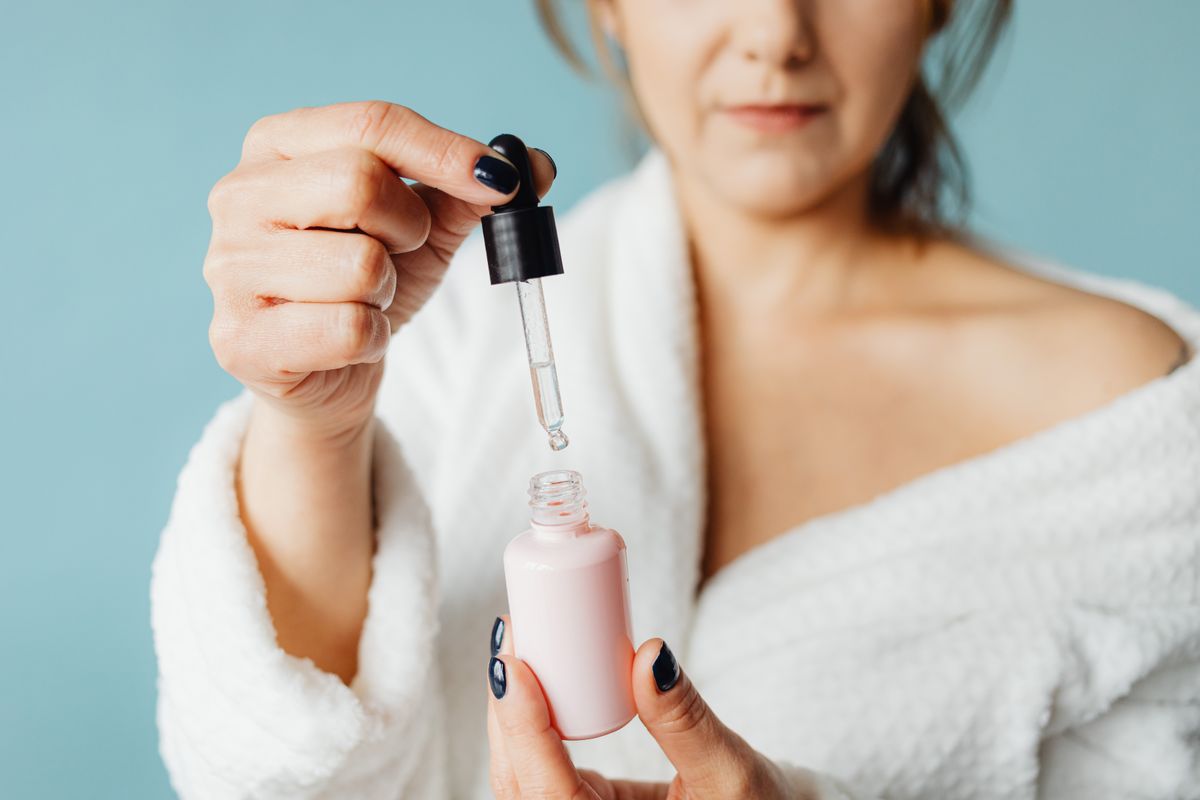
Cleansing is the essential first step in any skincare routine. The right cleanser removes dirt, oil, makeup, and impurities without stripping your skin. Choosing the appropriate cleanser for your skin type is crucial for healthy, balanced skin.
Why Cleansing Matters
Throughout the day, your skin accumulates sebum, environmental pollutants, makeup, sunscreen, and dead skin cells. Proper cleansing removes these impurities, preventing clogged pores and preparing your skin for other products.
Types of Cleansers
Gel Cleansers
Clear, jelly-like textures that typically foam slightly. Best for oily and combination skin. They provide deep cleansing without being overly drying.
Cream Cleansers
Rich, lotion-like textures that cleanse gently. Suitable for normal to dry skin. They remove impurities while maintaining hydration.
Foam Cleansers
Lightweight formulas that create a rich lather. Often preferred by oily skin types. Look for gentle surfactants to avoid stripping.
Oil Cleansers
Oil-based formulas that dissolve makeup, sunscreen, and sebum. Excellent for first cleansing in a double-cleansing routine. Suitable for most skin types, including oily skin.
Balm Cleansers
Solid balms that melt into oil upon application. Gentle and effective for removing makeup. Good for dry or sensitive skin.
Micellar Water
Water-based solution containing micelles (oil molecules) that attract dirt and oil. Convenient for quick cleansing or makeup removal. No-rinse formulas available.
Clay Cleansers
Contain clay ingredients like kaolin or bentonite that absorb excess oil. Best for oily or acne-prone skin. Can be drying if overused.
Choosing by Skin Type
Oily Skin
Consider:
- Gel or foam cleansers
- Ingredients like salicylic acid for pore care
- Oil cleansers for effective sebum removal
- Avoid overly stripping formulas
Dry Skin
Consider:
- Cream or balm cleansers
- Hydrating ingredients (glycerin, hyaluronic acid)
- Oil-based cleansers
- Avoid foaming or high-foam formulas
Combination Skin
Consider:
- Gentle gel or cream cleansers
- Balanced formulas that cleanse without stripping
- Possibly different cleansers for different areas
Sensitive Skin
Consider:
- Fragrance-free formulas
- Cream or milk cleansers
- Minimal ingredient lists
- Soothing ingredients (oat, aloe, chamomile)
- Avoid harsh surfactants
Acne-Prone Skin
Consider:
- Gel cleansers with salicylic acid
- Non-comedogenic formulas
- Gentle cleansing to avoid irritation
- Oil cleansing for thorough makeup removal
pH and Cleansers
Skin's natural pH is slightly acidic (around 4.7-5.5). Cleansers with similar pH help maintain this balance. Highly alkaline cleansers can disrupt the acid mantle and compromise the skin barrier.
Look for "pH-balanced" on labels, though this isn't a regulated term. Gentle, slightly acidic cleansers are generally best for maintaining skin health.
Double Cleansing
Double cleansing involves using two cleansers:
- First cleanse: Oil-based cleanser to remove makeup, sunscreen, and sebum
- Second cleanse: Water-based cleanser to clean the skin itself
This method is particularly beneficial for those who wear makeup or sunscreen daily, or those with oily or acne-prone skin.
How to Cleanse Properly
- Use lukewarm water (hot water can be drying)
- Gently massage cleanser for 30-60 seconds
- Rinse thoroughly
- Pat dry with a clean towel
- Follow immediately with other skincare products
How Often to Cleanse
Morning
Some people prefer just water in the morning, especially if they have dry skin. Others prefer a gentle cleanse to remove overnight sebum.
Evening
Evening cleansing is essential to remove the day's accumulation of impurities, makeup, and sunscreen.
After Exercise
Cleanse after sweating to prevent clogged pores.
Ingredients to Look For
- Gentle surfactants: Coco-glucoside, decyl glucoside
- Hydrating ingredients: Glycerin, hyaluronic acid
- Soothing ingredients: Aloe, oat, chamomile
- Barrier-supporting: Ceramides
Ingredients to Be Cautious About
- Harsh sulfates (SLS) if they cause dryness or irritation
- High concentrations of drying alcohols
- Strong fragrances if you have sensitive skin
- Overly alkaline formulas
Common Cleansing Mistakes
- Over-cleansing (more than twice daily)
- Using water that's too hot
- Using harsh, stripping formulas
- Not rinsing thoroughly
- Rubbing or tugging the skin
- Using dirty towels or washcloths
When to Change Your Cleanser
Consider switching cleansers if:
- Your skin feels tight or stripped after cleansing
- You're experiencing increased breakouts
- Your skin feels dry or irritated
- Seasons change (you may need different formulas)
- Your skin's needs have changed
The right cleanser should leave your skin feeling clean but not tight or stripped. It's worth investing time in finding the formula that works best for your skin.
Research Before You Buy
Explore Skincare Products
Compare product purpose, verified ingredient information, format, and suitability for different skin needs in our research-based reviews and guides.
Affiliate disclosure: If a recommendation includes an affiliate link and you purchase through it, we may earn a commission at no additional cost to you. Affiliate availability does not determine our editorial conclusions. See our Affiliate Disclosure.
Continue Reading
You May Also Like

How to Choose a Moisturizer
Finding the right moisturizer is essential for healthy skin. Learn about different types, key ingredients, and how to choose based on your skin type.

How to Build a Simple Skincare Routine
Building a simple skincare routine doesn't have to be complicated. Learn the essential steps and how to choose products that work for your skin.
Understanding the Skin Barrier
The skin barrier plays a crucial role in protecting your skin. Learn what it is, how to support it, and signs it may be compromised.

What Is Niacinamide?
Niacinamide is a popular skincare ingredient known for its versatility. Learn what it is, how it works, and how to use it in your routine.