How to Choose a Moisturizer
A guide to finding the right moisturizer for your skin type
Finding the right moisturizer is essential for healthy skin. Learn about different types, key ingredients, and how to choose based on your skin type.

Moisturizer is a cornerstone of any skincare routine, but choosing the right one can be confusing with so many options available. Understanding your skin type and what different moisturizers offer can help you make an informed choice.
Why Moisturize?
Moisturizers help maintain skin hydration, support the skin barrier, and prevent water loss. Even oily skin types benefit from proper moisturization. Well-hydrated skin appears smoother, more resilient, and healthier.
Types of Moisturizers
Lotions
Lightweight, water-based formulas that absorb quickly. Best for oily skin or hot, humid weather. They provide hydration without heaviness.
Creams
Thicker, more emollient formulas. Suitable for normal to dry skin or drier climates. They provide both hydration and moisture retention.
Ointments and Balms
Very rich, occlusive formulas. Ideal for very dry skin, harsh weather, or specific areas needing intense moisture. Can be too heavy for facial use on oily skin.
Gel Moisturizers
Water-based, lightweight textures. Excellent for oily or acne-prone skin. They hydrate without adding oil or heaviness.
Key Moisturizing Ingredients
Humectants
These attract water to the skin:
- Glycerin
- Hyaluronic acid
- Propylene glycol
- Aloe vera
- Honey
Emollients
These smooth and soften the skin:
- Squalane
- Jojoba oil
- Shea butter
- Ceramides
- Fatty alcohols (cetyl, stearyl)
Occlusives
These seal in moisture:
- Petrolatum
- Mineral oil
- Dimethicone
- Beeswax
- Lanolin
Choosing by Skin Type
Oily Skin
Look for:
- Lightweight, oil-free formulas
- Gel or lotion textures
- Non-comedogenic labels
- Humectants like hyaluronic acid
- Matte or natural finishes
Avoid heavy creams and occlusive ingredients that may feel greasy.
Dry Skin
Look for:
- Richer cream formulations
- Ceramides and fatty acids
- Combination of humectants, emollients, and occlusives
- Ingredients like shea butter or squalane
Consider layering a hydrating serum under your moisturizer.
Combination Skin
You may need different products for different areas, or a balanced formula that works overall. Lightweight creams or lotions often work well.
Sensitive Skin
Look for:
- Fragrance-free formulas
- Minimal ingredient lists
- Soothing ingredients (ceramides, oat, aloe)
- Avoidance of common irritants
Mature Skin
Look for moisturizers with:
- Peptides
- Ceramides
- Antioxidants
- Richer textures to combat dryness
Day vs. Night Moisturizers
Daytime
Day moisturizers often include:
- SPF (though dedicated sunscreen is still recommended)
- Antioxidants like vitamin C
- Lighter textures for wear under makeup
Nighttime
Night creams can be richer and may include:
- Retinol or other actives
- More emollient ingredients
- Repair-focused ingredients
Application Tips
- Apply to slightly damp skin to lock in hydration
- Use upward, gentle motions
- Don't forget your neck and décolletage
- Adjust amount based on season and skin's needs
- Wait a few minutes before applying other products or makeup
Seasonal Adjustments
Your skin's needs change with the seasons. You may need:
- Lighter moisturizers in summer
- Richer formulas in winter
- More hydration in dry, heated indoor environments
Common Concerns
"My moisturizer causes breakouts"
You may be using a formula too heavy for your skin type, or one containing ingredients that clog your pores. Try a lighter, non-comedogenic option.
"My skin still feels dry"
You may need to add a hydrating serum before your moisturizer, or switch to a richer formula. Consider environmental factors like indoor heating.
"I don't need moisturizer because my skin is oily"
Even oily skin needs hydration. Skip heavy creams but use a lightweight, oil-free moisturizer to maintain balance.
Reading Labels
Ingredients are listed in descending order of concentration. The first few ingredients make up the bulk of the product. Look for beneficial ingredients near the top of the list.
Choosing the right moisturizer is personal. What works for someone else may not work for you. Don't be afraid to try different products until you find your ideal match.
Research Before You Buy
Explore Skincare Products
Compare product purpose, verified ingredient information, format, and suitability for different skin needs in our research-based reviews and guides.
Affiliate disclosure: If a recommendation includes an affiliate link and you purchase through it, we may earn a commission at no additional cost to you. Affiliate availability does not determine our editorial conclusions. See our Affiliate Disclosure.
Continue Reading
You May Also Like
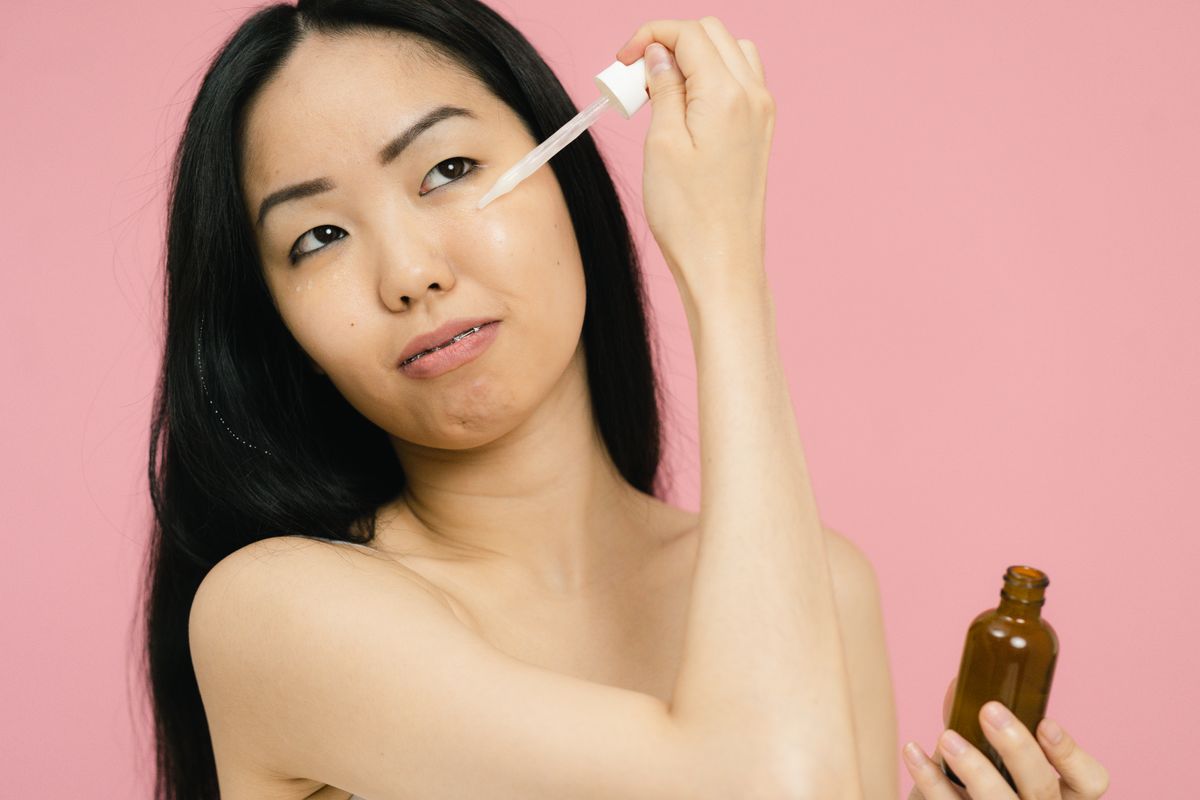
What Is Hyaluronic Acid?
Hyaluronic acid is a hydrating powerhouse in skincare. Learn what it does, how to use it, and why it's beneficial for all skin types.
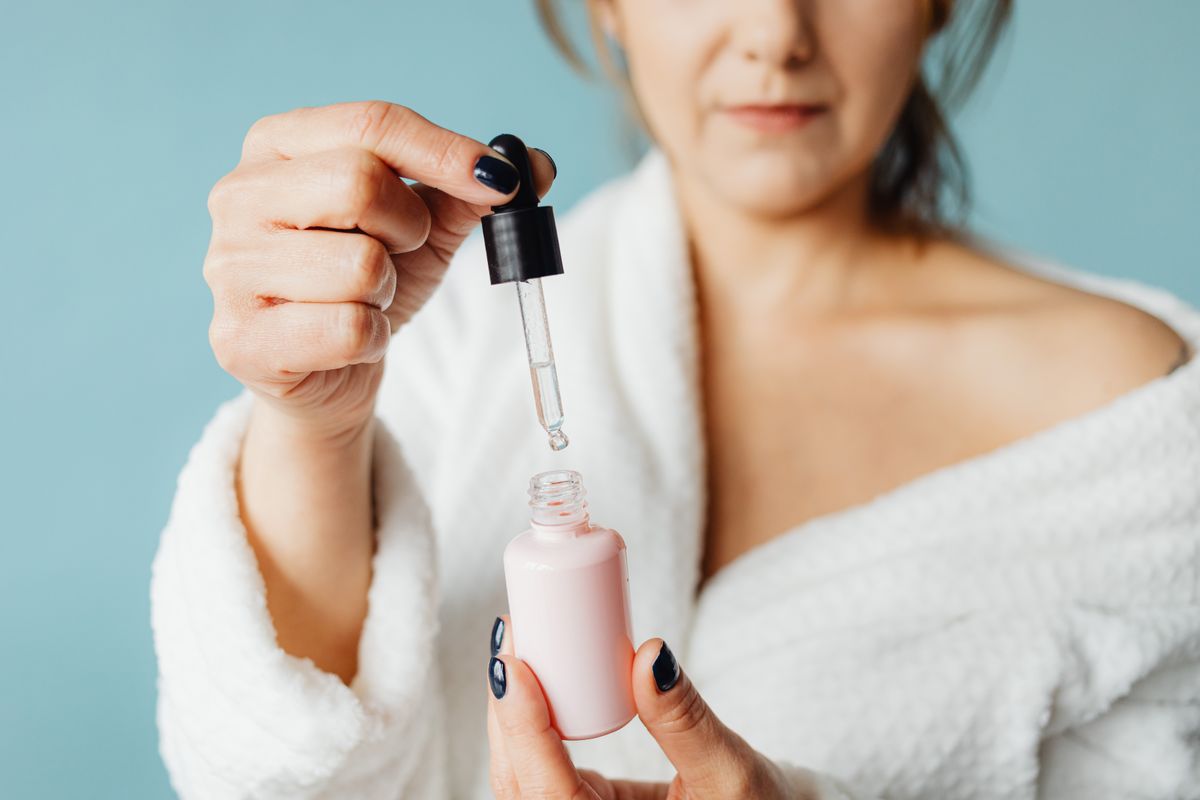
How to Choose a Cleanser
Cleansing is the foundation of skincare. Learn about different types of cleansers and how to choose the right one for your skin type.
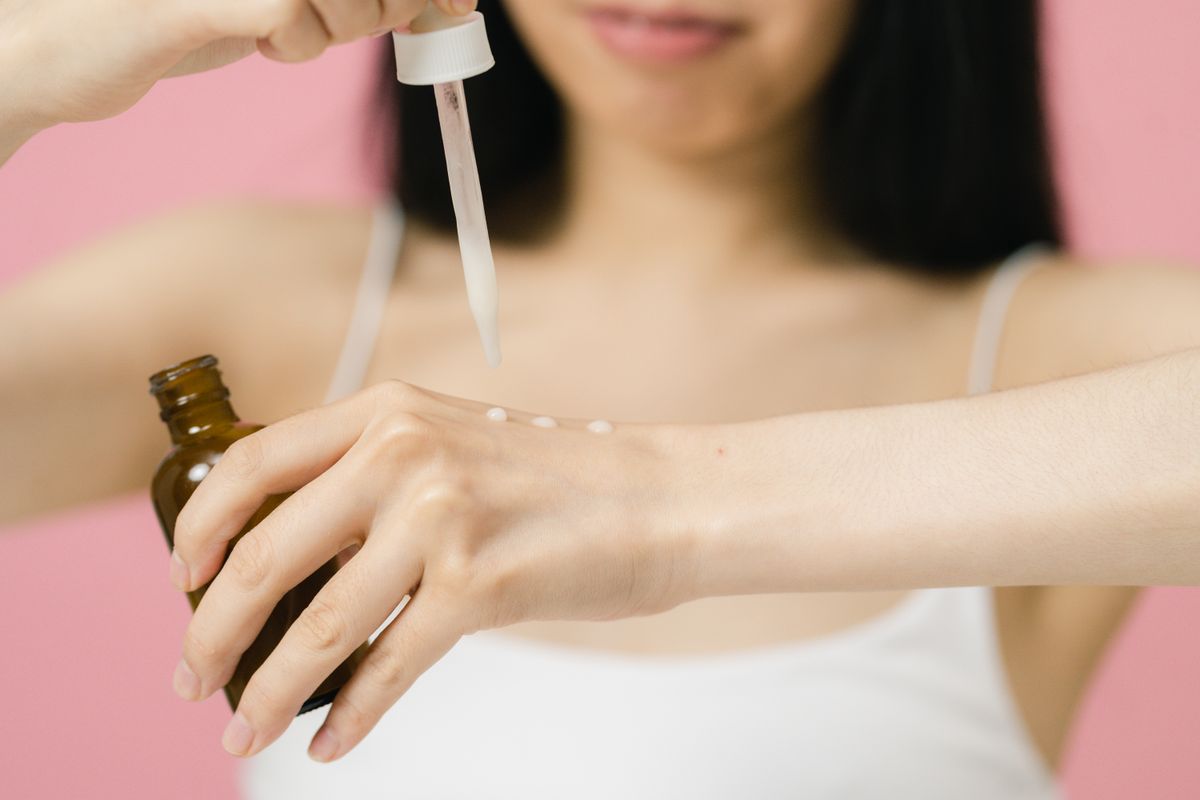
Hydrating vs. Moisturizing: What's the Difference?
Hydration and moisturization are often used interchangeably, but they're different. Learn the difference and how to address both in your routine.

How to Care for Dry Skin
Dry skin needs special care to maintain hydration and comfort. Learn how to build a routine that keeps dry skin healthy and comfortable.