Hydrating vs. Moisturizing: What's the Difference?
Understanding these two essential skincare concepts
Hydration and moisturization are often used interchangeably, but they're different. Learn the difference and how to address both in your routine.
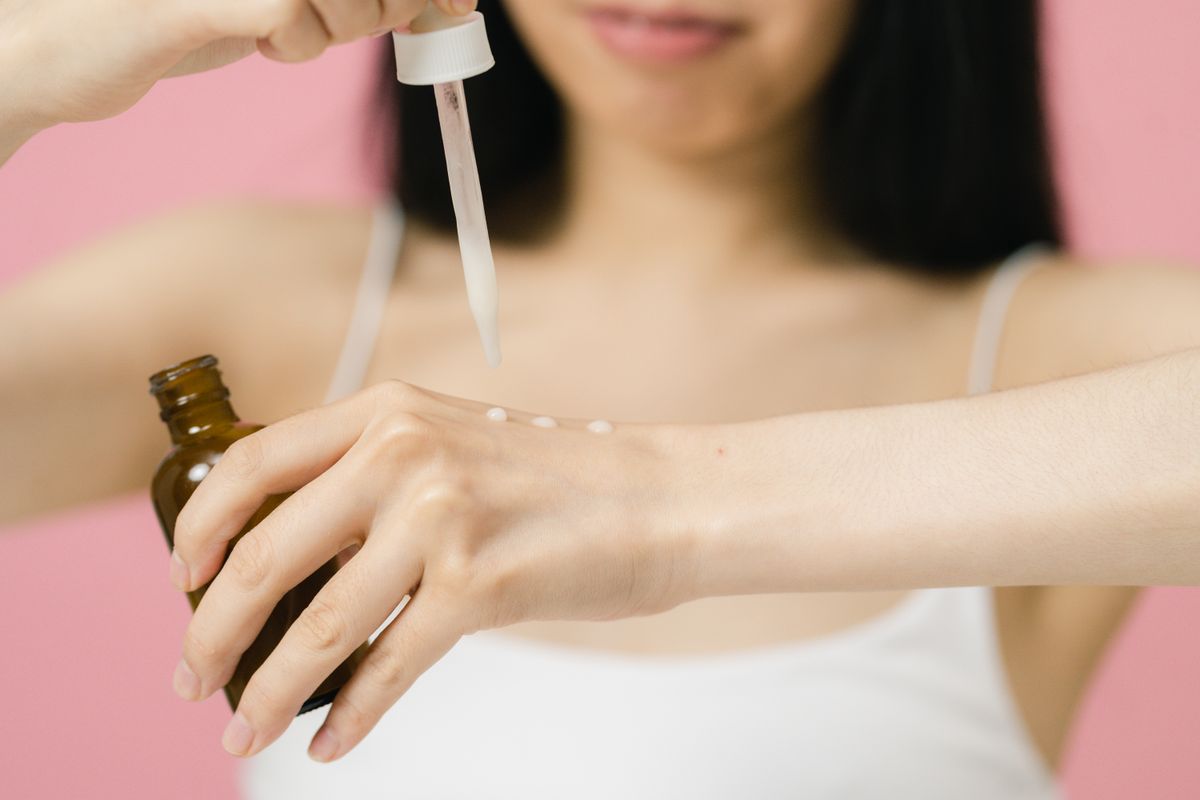
The terms "hydrating" and "moisturizing" are often used interchangeably in skincare, but they refer to different processes. Understanding the distinction can help you choose the right products for your skin's needs.
What Is Hydration?
Hydration refers to the water content in your skin. Hydrated skin has adequate water levels in its cells and tissues. Dehydrated skin lacks water, leading to a tight, dull, or rough appearance.
Signs of Dehydrated Skin
- Tight feeling, especially after cleansing
- Dull or lackluster appearance
- More noticeable fine lines
- Rough texture
- Itchy or uncomfortable
- Dark circles under eyes
What Causes Dehydration?
- Not drinking enough water
- Environmental factors (dry climate, indoor heating, air conditioning)
- Harsh skincare products
- Certain medications
- Diet and lifestyle
- Caffeine and alcohol consumption
What Is Moisturization?
Moisturization refers to preventing water loss from the skin. Moisturizers create a barrier that seals in hydration and protects the skin barrier. Even well-hydrated skin needs moisturization to maintain that hydration.
Signs of Dry Skin
- Flaky or peeling skin
- Rough texture
- Tight feeling
- Redness or irritation
- Cracking (in severe cases)
- Dull appearance
What Causes Dry Skin?
- Genetics (naturally dry skin type)
- Aging (decreased oil production)
- Harsh weather (cold, wind)
- Over-cleansing or using stripping products
- Certain skin conditions
- Hormonal changes
Hydration vs. Moisturization: The Key Difference
Hydration = Adding water to the skin
Moisturization = Sealing water in the skin
Think of it this way: Hydration is like filling a glass with water. Moisturization is like putting a lid on that glass to prevent evaporation.
Ingredients That Hydrate
Humectants attract and bind water molecules:
- Hyaluronic acid: Holds up to 1000x its weight in water
- Glycerin: Draws water to the skin
- Aloe vera: Provides water-based hydration
- Honey: Natural humectant
- Panthenol (vitamin B5): Hydrates and soothes
- Urea: Hydrates and gently exfoliates
These ingredients work by pulling water from the environment or deeper skin layers to the surface.
Ingredients That Moisturize
Emollients and occlusives prevent water loss:
Emollients
Smooth and soften the skin:
- Squalane
- Jojoba oil
- Shea butter
- Ceramides
- Fatty acids
Occlusives
Create a physical barrier to prevent water loss:
- Petrolatum
- Mineral oil
- Dimethicone
- Beeswax
- Lanolin
Can Skin Be Both Dehydrated and Dry?
Yes. Dehydrated skin lacks water; dry skin lacks oil. You can have:
- Dehydrated oily skin (lacks water but produces oil)
- Dry skin (lacks oil)
- Dehydrated dry skin (lacks both water and oil)
- Normal skin (adequate water and oil)
Oily skin can absolutely be dehydrated. In fact, sometimes overproduction of oil is the skin's response to dehydration.
How to Address Both
For Hydration
- Drink adequate water
- Use hydrating serums with humectants
- Apply products to damp skin
- Use a humidifier in dry environments
- Limit dehydrating substances (alcohol, excessive caffeine)
For Moisturization
- Use moisturizers with emollients and occlusives
- Apply moisturizer to lock in hydration
- Consider facial oils for extra nourishment
- Protect skin from harsh weather
- Avoid over-cleansing
Building a Routine
A complete routine addresses both hydration and moisturization:
- Cleanse: Gentle cleanser
- Hydrate: Hydrating serum or toner with humectants
- Moisturize: Moisturizer with emollients and occlusives
- Protect: Sunscreen (daytime)
The order matters: apply hydrating products first (they need to penetrate), then moisturizers (they seal everything in).
Product Recommendations by Skin Type
Oily, Dehydrated Skin
- Lightweight hydrating serum (hyaluronic acid)
- Oil-free gel moisturizer
Dry Skin
- Hydrating serum
- Rich cream moisturizer with ceramides
- Facial oil (optional)
Combination Skin
- Hydrating serum overall
- Lighter moisturizer on oily areas, richer on dry areas
Normal Skin
- Hydrating serum
- Balanced moisturizer
Common Mistakes
- Using only hydrating products: Without moisturization, the water evaporates
- Using only moisturizers on dehydrated skin: You're sealing in a lack of water
- Applying hyaluronic acid to dry skin: It needs water to bind to
- Skipping moisturizer because skin is oily: You still need to seal in hydration
Seasonal Considerations
Your hydration and moisturization needs change with seasons:
- Summer: May need more hydration, lighter moisturizers
- Winter: May need both more hydration and heavier moisturizers
- Dry climates: Need more of both
- Humid climates: May need lighter moisturizers
Understanding the difference between hydration and moisturization helps you choose the right products for your skin's actual needs. Most skin benefits from addressing both aspects for optimal health and appearance.
Research Before You Buy
Explore Skincare Products
Compare product purpose, verified ingredient information, format, and suitability for different skin needs in our research-based reviews and guides.
Affiliate disclosure: If a recommendation includes an affiliate link and you purchase through it, we may earn a commission at no additional cost to you. Affiliate availability does not determine our editorial conclusions. See our Affiliate Disclosure.
Continue Reading
You May Also Like

Common Skincare Mistakes and How to Avoid Them
Even with good intentions, skincare mistakes can undermine your routine. Learn to identify and fix these common errors.
What Is Hyaluronic Acid?
Hyaluronic acid is a hydrating powerhouse in skincare. Learn what it does, how to use it, and why it's beneficial for all skin types.

How to Choose a Moisturizer
Finding the right moisturizer is essential for healthy skin. Learn about different types, key ingredients, and how to choose based on your skin type.

How to Care for Dry Skin
Dry skin needs special care to maintain hydration and comfort. Learn how to build a routine that keeps dry skin healthy and comfortable.